Good Chefs and Bad Oils


I cook a lot, and I aim for tasty, healthy comfort food that demands no acrobatics. Or ingredients you’ve never heard of, such as lark’s tongues or nightingale fetlocks. I often check recipes online for fresh ideas, and I’m flabbergasted that just about all our high-profile chefs tell us to fry food in ‘vegetable oil.’

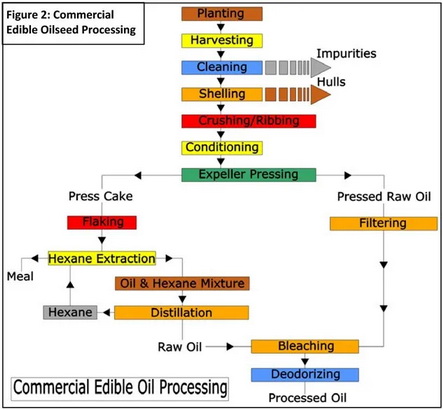
First problem: There is no such thing as vegetable oil. You can’t make oil from potatoes, carrots or beans, only Schnaps. Second problem: Most ‘vegetable oils’ are toxic. They’re produced by industrial processes that use solvents, heat, high pressure, stabilizers, bleaches and deodorisers. After you’ve watched this video, the $100 billion ingredient that shows how these oils are made, you won’t ever buy them again.

So why do professional chefs not give a toss? They tell us that any decent meal starts with top quality ingredients, don’t they? And they tell us to fry those top quality ingredients in crap oils? It’s like Michelangelo using no name paint for the Sistine Chapel.

This is Australia 2022, and we make some of the world’s best, nutritious oils, from olives, macadamias and avocadoes. I buy Australian cold-pressed extra virgin olive oil from Woolworths or Coles for $6 a half litre. Can Adam Liaw really not afford to cook with a decent oil? I’ve even seen Canola oil suggested by chefs in their recipes. Guillome Brahimi is the exception – he uses butter for frying.
The short story

I suspect it’s because most of our best chefs learnt their craft in commercial kitchens. If you check the backdoors of most restaurants, even good ones, you see 4 gallon drums of cottonseed oil piled up. Why? Because it’s dirt cheap. It’s actually a seed oil but it’s been lumped in with the vegetable oils, and it’s often blended with other vegetable oils. Proctor & Gamble’s Crisco was the original cottonseed oil.

Cottonseed oil has nothing to recommend it other than its low price. Many packaged foods in our supermarkets contain cottonseed oil or blends that contain it and transfats for stabilty: frozen chips and pizzas, frozen meals, biscuits, cakes, donuts – virtually anything that’s been fried or baked. It contains toxins that are stripped out during processing, and it often contains pesticide residues since cotton is not classified as a food crop, so farmers are free to use as many agrichemicals as they like.

The Good Oils

It won’t come as a surprise that ‘vegetable oils’ aren’t good for us either, since they can turn toxic when used for frying. Polyunsaturated vegetable oils become unstable when exposed to heat, and oxidize easily. The most stable oils / fats are saturated and monounsaturated. A much simpler way to tell good from bad oils is to stick to oils that are ‘natural’, i.e. those made using minimal processing.

My favourite for cooking is Extra Virgin Cold-Pressed Olive Oil. I also use some of the others below, most of all butter, macadamia oil, avocado oil and duck fat. The numbers indicate the ‘smoke points’ of the oils, this is the point where they become unstable and oxidize.

    • Avocado Oil – 270°C
    • Extra Virgin Cold-Pressed Olive Oil – 200°C
    • Sesame oil – 230°C
    • Macadamia Oil – 230°C
    • Butter – 150°C
    • Duck fat – 200°C
    • Coconut oil – 230°C
    • Walnut Oil – 160°C
    • Flaxseed Oil – 107°C

Please note:

Boutique olive oils can have strong flavours, which you may not want in your cooking. Sesame oil also has a distinctive flavour, which plays a role in the overall flavour of Asian foods. Walnut oil and flaxseed oil are delicate Omega-3-rich oils best used in salad dressings. They should be refrigerated once open.
 

The Bad Oils

This list from the US Heart Foundation covers ‘common cooking oils that contain more of the “better-for-you” fats and less saturated fat.’

  • Canola
  • Corn
  • Olive
  • Peanut
  • Safflower
  • Soybean
  • Sunflower

‘Blends or combinations of these oils,’ they add, ‘are often sold under the name “vegetable oil,” and cooking sprays made from these oils are also good choices.’  Good choices? These seed oils masquerading as vegetable oils are called RBD oils in the trade – Refined, Bleached and Deodorised.
How did these experts end up with a shortlist of the most processed, most unstable, lowest quality oils on earth? With the exception of olive oil.

Because they only looked at one thing, and picked the oils with the least saturated fat / most polyunsaturated fat content. Forget about lack of processing and nutritional value, forget about the anti-inflammatory properties of our best cooking oils. That’s how facile these folks are, and they haven’t caught up with the last 30 years of research. And these people give Americans health advice? No wonder they’re such a sick lot.

Image Source: Penn State University

Oils and Heart Health

It’s incomprehensible that in 2020, with all the recent research upending the old wives tales about killer cholesterol and artery-clogging saturated fat, we find the American Heart Association clinging to that old story. Its most recent encyclical confirmed that the earth was flat and the sun rotated around it: it advised people to replace saturated fats with unsaturated fats, which include polyunsaturated fats and monounsaturated fats,

It urged Americans to reduce their intake of fats that come from meats, poultry, cheese, dairy products and tropical oils, such as coconut and palm oils, to reduce their risk of heart disease. They were advised to raise the level of ‘healthy fats’ in their diets by replacing animal fats with vegetable fats, and added that polyunsaturated fats were better for the heart than monounsaturated fats. Out go olives and avocadoes …

If they could just get their heads out of the molecular morass of research and have a look at the real world, they’d come across some confronting evidence that their recommendations couldn’t be more wrong.

How Many Paradoxes will it Take?

About 3 decades ago, we heard about the ‘French Paradox.’ In a nutshell, the French use more butter than any other country on earth, eat their way through mountains of triple cream brie and pâté de foie gras, and love duck cooked in its own fat. They drink more and smoke more than we do as well, and they have the lowest rate of heart disease in Europe and the second-lowest rate in the world. The French also live 4 years longer than Americans.
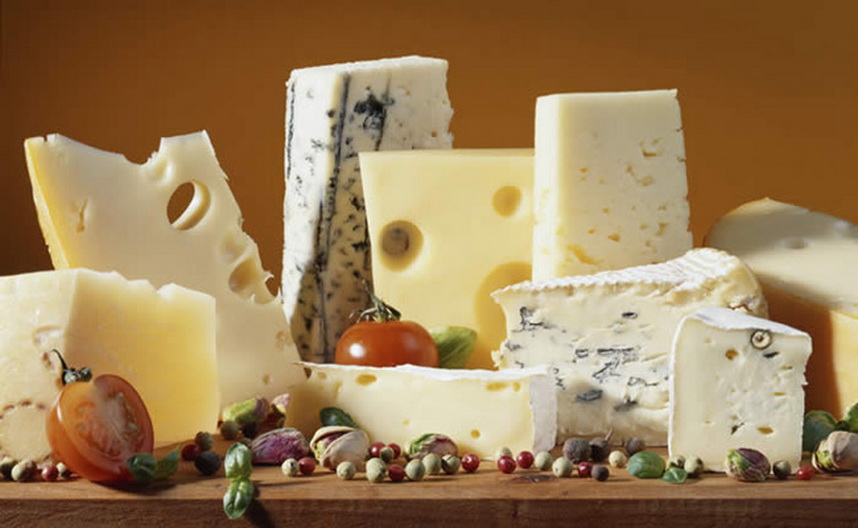
Image Source: France Directory

The health experts in English-speaking countries called it a paradox because they can’t explain it. Open-minded scientists would’ve looked for other exceptions to their rules, to check if they should reexamine their assumptions, and they’d have found a number of them:

  1. France – life expectancy 83, obesity 15%, deaths from heart disease rank 182
  2. Switzerland – obesity 10%, life expectancy 84, deaths from heart disease rank 171
  3. Spain – life expectancy 83, obesity 23%, deaths from heart disease rank 177
  4. Belgium –life expectancy 82, obesity: 16%, deaths from heart disease rank 172
  5. Italy – life expectancy 83; obesity 15%; deaths from heart disease rank 166

By comparison,

  • USA – life expectancy 78, obesity 37%, heart disease rank 80
  • Australia – life expectancy 83, obesity 30%, deaths from heart disease rank 175

please note: higher numbers mean lower levels of heart disease

Complete list from the WHO

The Take-Home Message

Like France, the other four countries on the list above enjoy a rich diet high in saturated fats. By contrast, Russia and its former satellites the Ukraine, Tajikistan, Azerbaijan, Moldova and Georgia consume far less saturated fat than most European countries. Their life expectancy is around 72 years, obesity affects 20%, and their deaths from heart disease ranking is 23 – we’re talking about 225 deaths from Heart Disease in 100,000 citizens per annum, compared with 31 in France, or 51 in Italy.

Clearly these countries demonstrate that there’s more to heart disease than high cholesterol and saturated fat: smoking is still very popular and drinking vodka even more so. The main reason why rates of heart disease have been dropping in western countries is the number of people who stopped smoking.
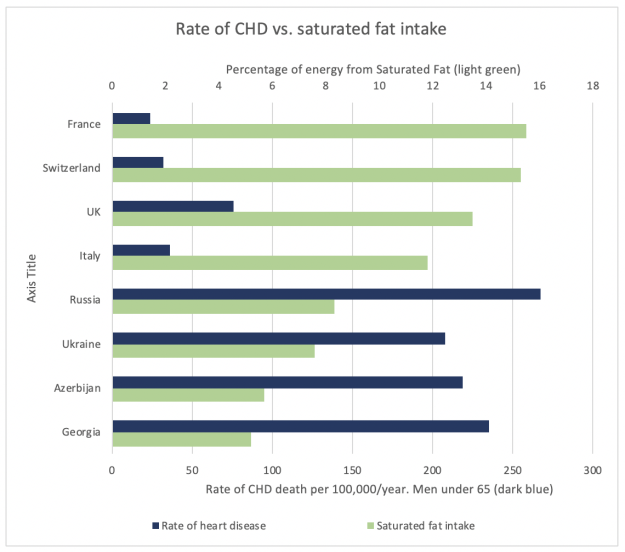
Image Source: Dr Malcolm Kendrick

Additional Reading

Long Term skeptic of the cholesterol / fat story Malcolm Kendrick gives us a short take on a study of 36,000 people over twelve years, conducted in the Netherlands. The main conclusions were that that: ‘Total saturated fat intake was associated with a lower IHD (Ischaemic Heart Disease) risk (HR per 5% of energy 0.83). Substituting SFAs with animal protein, cis-monounsaturated fats, polyunsaturated fats or carbohydrates was significantly associated with higher IHD risks (HR 1.27 – 1.37).’1

In other words, eating less saturated fat increased the rates of heart disease. Says Dr Kendrick: ‘One thing scientific researchers have learned over the years is that you can never say anything in a straightforward way. I think the game is that, if anyone can easily understand your findings, you lose.’

A couple more studies:

Food consumption and the actual statistics of cardiovascular diseases: an epidemiological comparison of 42 European countries – Grasgrube, Sebera, Hrazdira, Hrebickova and Cacek https://www.ncbi.nlm.nih.gov/pmc/articles/PMC5040825/

‘Our results do not support the association between CVDs and saturated fat, which is still contained in official dietary guidelines. Instead, they agree with data accumulated from recent studies that link CVD risk with the high glycaemic index/load of carbohydrate-based diets. In the absence of any scientific evidence connecting saturated fat with CVDs, these findings show that current dietary recommendations regarding CVDs should be seriously reconsidered.’

Saturated fat does not clog the arteries: coronary heart disease is a chronic inflammatory condition, the risk of which can be effectively reduced from healthy lifestyle interventions. (British Medical Journal)
High Risk or Madness? Longtime Wine Storage in an Apartment


Magic Numbers

‘If you’re going to cellar, you need to find a way to keep your wine below 17 degrees Celsius, but ideally between 12 and 15 degrees. If you go above this range, factor in that your wines will develop at a faster rate and are unlikely to cellar long-term.’

That’s the advice from Campbell Mattinson in James Halliday’s Wine Companion. The advice from other experts is a little more user-friendly but they all seem to agree that a constant temperature of around 15 degrees is ideal. I’ve never been able to create such perfect conditions, not even in a cellar I dug out under a south-facing house on Sydney’s northern beaches.

Temperatures there ranged from about 13 degrees in winter to 22 in summer, and the wines I stored there over many years remained in top condition except for their labels (due to the high humidity). In the next house I made do with above ground storage and installed an air-conditioner, which I only used in summer. Then came another house, this time with room underneath, but above ground. The wines did not suffer.

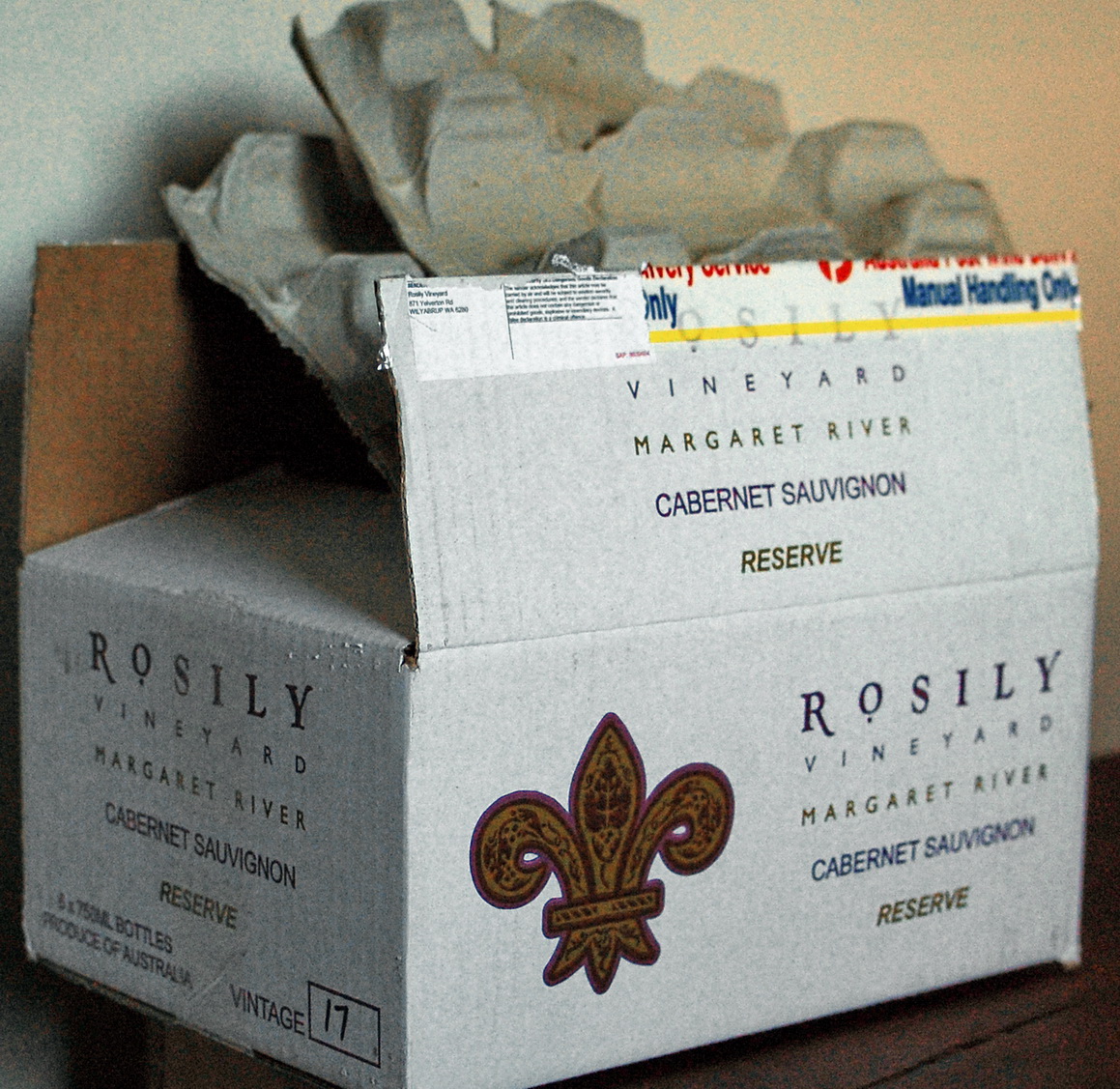
So far so good, but I was worried when I moved to a second-floor apartment with no air-conditioning in 2008. At least the place was in Mosman (Sydney), not in Bourke, and not far from the harbour. I kept most of my wine in sturdy 6-pack boxes with those scalloped soft cardboard dividers. You may need to foster a good relationship with your wine merchant to get enough of these. There are a couple of other options as shown in the ‘Rough Guide’ below.

The building was double-brick, which helped a lot, and I wouldn’t try this in a weatherboard cottage. I kept the boxes in cupboards and under a couple of spare beds in the room that got the least sunlight. I hung up a temperature gauge, and checked it often. When we had consecutive days in the mid to high thirties, the gauge went as high as 26 degrees. That gave me bad dreams.

I checked out other options such as wine cabinets and rented storage space, and rejected both for the reasons outlined below.  By now I had come to the conclusion that it is sudden changes in temperature that do the most damage to table wine, not absolute temperatures, so I decided to take the risk.

Crunch Time

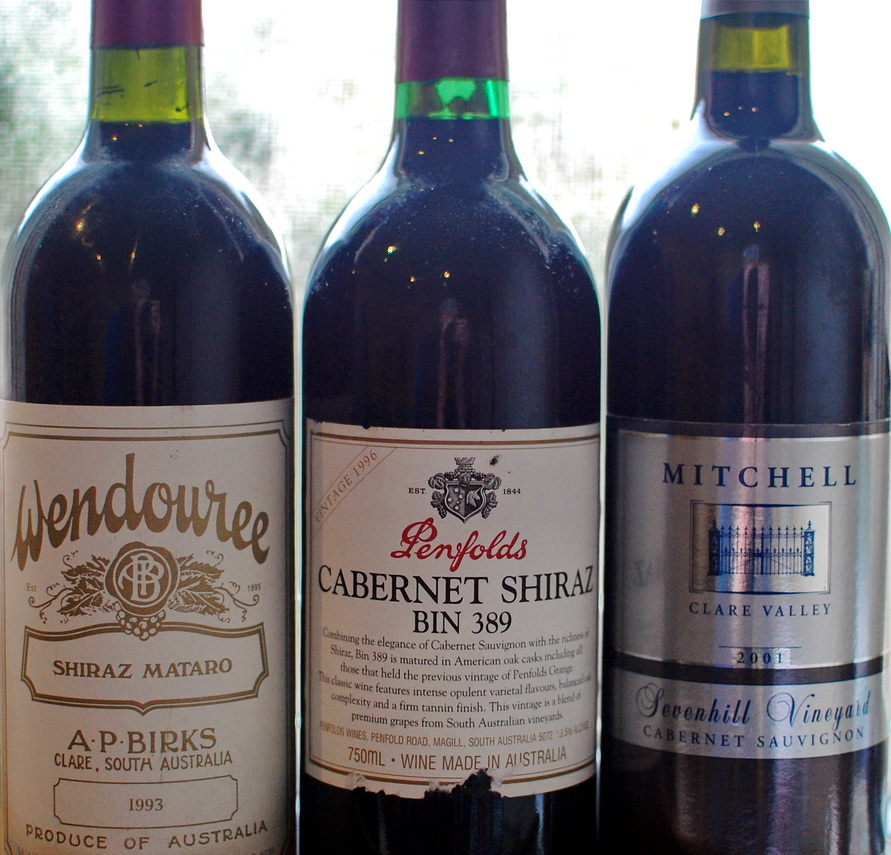
After 10 years of the hottest summers on record, it’s clear that my strategy worked. Over those years I opened some of the treasures I’d kept for special occasions: Penfolds St Henri and Bin 389 from the eighties, Wendouree reds from the early 90s, Wynns black label Cabernets, Mountadam Chadonnays and Leo Buring Rieslings from the early noughties, and more.

They weren’t going off, that much was clear. They didn’t seem to be losing form either. The corks were not leaking, the ullages remained pretty much where they were to start with, and all the wines were in excellent shape except for a few corked bottles. The other advice from the experts is to avoid moving wines, and not to disturb them until you’re ready to open them.

Three years ago, we moved to Thirroul for family reasons and rented a brick veneer house. The wine ended up under the stairs and in the spare bathroom which was less than ideal. After 12 months we moved to a ground floor townhouse, where the only storage has been cupboards, albeit cupboards with thick wooden doors in a double-brick house that’s freezing in winter and cool in summer. A couple of years on, there’s still no sign of my wine collection losing form.

Photo taken July 2020 – ullages couldn’t really be much better, could they?

The Rough Guide

A few years ago, I wrote The Rough Guide to Cellaring Wine in a Hot Climate, where I shared my experience as a wine-loving apartment dweller. For that post, I’d crunched some numbers on various storage options. For a lock-up you manage yourself, the cost is $225 per month for a 75 – 90 case cubicle at The Wine Ark in Chatswood or Alexandria (Sydney). That’s $2700 a year, which would buy you more than 13 dozen $20 wines. And your wine most likely ends up a long way away.

Managed facilities, where the warehouse people look after your wine, catalogue it and accept deliveries from your wine merchant are much dearer again but the tyranny of distance remains.

Wine Cabinets are yet another option, and in some ways the least attractive because they combine high cost of storage with the high cost of electricity to maintain a constant temperature. Even opting for the largest cabinets to keep the price per bottle low will set you back about $12 – $15,000 for 600 bottles (in 4 tall cabinets, so space becomes a big issue as well). Here’s a 166 bottle Vintec cabinet for $3,000.

$12,000 will buy you another 600 bottles of $20 wines, so you can see that these cabinets aren’t a practical solution for those of us who are short of money and space. The smarter option would be to just buy one of these cabinets for your most precious bottles.

The Fine Art of Timing

I’ve been part of a group of serious wine buffs for decades, and we meet about once every 3 months and all bring a special bottle. Two actually because many of the bottles are 30 or 40 years old which means that most are past their best, and there are always a few corked wines among them.

A few years ago, I sent some of my Wendourie reds to auction because I had collected too many of them, and they had reached their peak. They fetched $100 a bottle on average, which was disappointing since you pay more for the current vintage. At least I avoided the trap of keeping wines too long, a trap many of my fellow wine lovers have fallen into.

Even a perfect air-conditioned cellar will not prevent wines succumbing to the ravages of old age, and to me there’s no worse experience than drinking a wine and thinking ‘what a shame we didn’t open this 10 years ago.’

My basic rules are simple:

  • Keep for up to 40 years: Mighty reds in the Grange class
  • Keep for up to 30 years: reds built to last, that is with enough substance, acid and tannin to see them though. Wendourie, Wynns Black Label Cabernets, Penfolds bin range, the better Henschkes, top-notch Bordeaux
  • Keep for up to 20 years: Just about any quality red made down under, with a history of aging well. Quality Rieslings from Clare and Eden Valleys, and good Semillons form the Hunter and South Australia. Burgundies and reds from the Rhone Valley
  • Keep for up to 10 years: Just about any decent Aussie red will mellow for five years and last for 10. So do good chardonnays, and most Rieslings and Semillons.

Different varieties tend to reach their top form at very different times, and here are the styles that are best enjoyed young:

  • Most Rosés, white wines and sparkling wines except for quality Rieslings, Semillons and Chardonnays
  • Most Aussie reds made from Pinot Noir and Grenache
  • Most wines made from Mediterranean varieties, since most of these plantings are young and the wines made from them tend not to age well.

It’s good to know that good wines aren’t the delicate, fussy creatures the experts make them out to be, but please don’t go overboard – use common sense. If the storage for your wines is dubious, store your cellaring wines somewhere else and just keep your drinking wines in the house.

Additional Reading

When should I drink this wine?

How long to keep different varieties

Insane Deals on Secret Labels at Kemenys


I’m serious: we’re talking 95/96 point wines under $15. No, not Halliday Points, real points. We can’t name names or show labels, but we give you plenty of hints. And it’s so much fun guessing, right?

Secret Label Pyrenees Vintage Brut 2016 $14 at Kemenys. I don’t like choosing mystery wines for Wine of The Week, but this wine is simply too good. I cannot recall tasting an Australian Sparkling wine of this quality for less than $20, and not many over $20. Comes from a winery that was once owned by the makers of a well-known Cognac.

The nose promised good bubbles when we opened it, and the wine got better with every sip. I ordered a case immediately – such quality at this price is ridiculous. The description at the link is accurate. Scored 95 points and a gold medal at the 2019 Wine Showcase Magazine awards. 95 points. Absolute knockout. Back up the truck.

SECRET LABEL ADELAIDE HILLS RESERVE CHARDONNAY 2016$22 at Kemenys. tt’s a cracker that reminds me of a white Burgundy, with fruity and savoury elements in a seamless blend. There are stone fruits, nuts and oatmeal, which work in seamless harmony. The highlight is the creamy texture, and the flavour is richer than its 13% suggest. Gorgeous chardy. 96 points. BUY.

Secret Label Adelaide Hills Shiraz  2017 – $17 at Kemenys. A gorgeous example of Adelaide Hills Shiraz, where the cooler-climate produces more elegant reds than McLaren Vale just down the road. Medium-bodied but full flavoured, it delivers ripe berry fruits touched up with pencil-shavings oak, plus pepper and spices and a touch of charcuterie. Smooth as silk. 94 points. BUY.

Secret Label Barossa Valley Mataro Grenache Shiraz 2018 – $17 at Kemenys. An MGS for a change. 65% Mataro or Mourvèdre as the trendy set prefers to call it –the variety should be among our top reds since it thrives in hot climates. The flavour here is bold, gamey and earthy, but there are also violets and minerals in the background, and hints of tar and leather. This is just a pup so give it lots of time to breathe, or decant it. The winemaker has a really common surname, and the label features a thumbprint. Terrific red at a bargain price. 95 points.

Hidden Label Reserve Barossa Shiraz 2018 – $18 at Kemenys. This one is HIDDEN, not Secret. Among the best 5 Shiraz reds I’ve tasted this year, this is a perfect example of the generous Barossa style without the excesses. Rich and full-bodied yet classy and elegant. I suspect this wine is made by Elderton, but that’s just a hunch.

The gorgeous fruit is dressed in super fine oak, there are subtle spices and notes of dark chocolate, and the texture is smooth and seamless. Perfect pitch, already drinking well but will last for years if you can keep your hands off it (which I doubt). 96 points, absolute steal.

Secret Label Clare Valley Shiraz 2018 – $12 at Kemenys. Opulent, almost decadent Shiraz from the Clare Valley, glorious fruit, utterly seductive, rich and ripe and smooth and glossy. It hides the 15% alcohol well, and it’s hard to put down so be careful. There is a dark side to the wine but only on the label This red will please any crowd. Pink Floyd would write a song about it. More fancied wineries would sell a wine like this for 3 times the price. The value is way off the scale. 96 points. Back up the ute!

Secret Label Central Otago Pinot Noir 2018 – $16 at Kemenys. You know how hard it is to find a decent Pinot under $20, so this is a surprise. The colour is strong, and the nose says Pinot Noir. Dark cherries make up the core, with meaty and earthy notes in the background. The wine glides along the palate and finishes with ripe tannins. One could wish for more complexity but not at this bargain price. 93 points, nudging 94. BUY.

A Compact Guide to the World of Champagne


It’s a world that’s far away from the humble wines we tend to focus on, but there are special occasions when we buy champagne. On those occasions it’s a great asset to have some knowledge, how and where to find the best value champagne for example. A good friend knows far more about this subject than I do, and this post sums up Jeffrey’s journey into champagne.

Before we get to that, we need to understand that champagne is a very special wine made in a special place, in a very special way. This is not easy given the volumes involved: 300 million bottles a year. That makes maintaining quality and prestige a constant challenge, which most makers have met. In fact champagne is most likely a much better product these days than it was in the fifties.

A World of Change

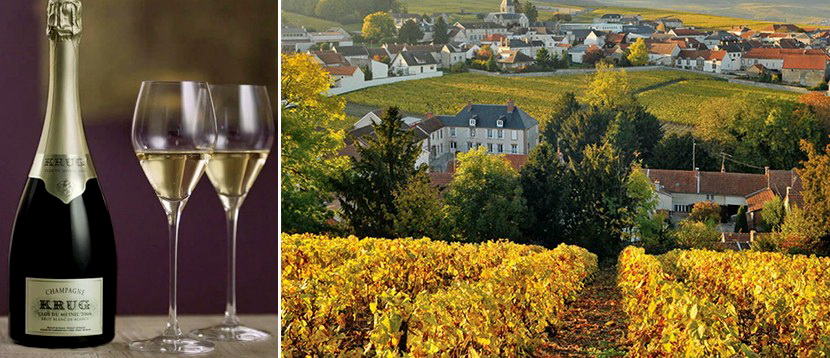
Back then, champagne was a heavy wine, full of sugar and usually drunk with dessert. The apéritif styles that offered purity, freshness and elegance came much later, when more Chardonnay was used, the (sugar) dosage was reduced and stainless steel replaced much of the barrel storage. Blanc de Blancs and Rosé champagnes followed, along with prestige cuvees such Krug’s Clos de Mesnil

Like other French wine making areas, Champagne has its Grand Crus, and Clos de Mesnil is one of those: a tiny walled plot of hallowed soil. These single site champagnes are the exception though, since champagne making is really about blending many different wines to the ‘house style’ most makers have refined over the years.

A bottle of Krug’s Clos de Mesnil Blanc de Blancs comes with a 4 digit price tag. At the other end of the scale, a bottle of Moet will set you back just $50. I suspect it’s a bestseller because people can pronounce its name with ease, but it’s consistently the worst big name champagne I’ve tasted. This is where a little knowledge makes a big difference, because you can get far better champagne for a few dollars more.

For the non-vintage wines, the vast majority of champagnes made, makers use base wines from different areas and different years. The next level up is vintage champagne, only made in top years as is the custom with Vintage Port. Beyond vintage wines, we get into special cuvées.

There are a dozen or more big houses in Champagne, many of them centuries old, and there are small makers and even co-ops. To find your way around these involves a long and winding road as well as deep pockets, so let’s turn to Jeffrey for some inside knowledge.

A 5-Year Project

Jeffrey is a serious wine man and a very generous friend, not just with wine but with his time as well. He knows his way around champagne better than anyone I know, so I asked him for his advice on the best houses and vintages, and eventually he came back with an email that provides a great mini guide to the region and its wines.

Jeffrey claims he really only ‘discovered’ champagne about 5 years ago. He adds that ‘I had been hiding under my ignorance, I suppose it’s reasonable to say, of limited knowledge beforehand through unadventurous drinking of a very narrow band of favourite champagne houses. And what I have belatedly discovered is just how huge and complex, how diverse and deep the whole of champagne really is.’ I’ll get out of your way now and let Jeffrey tell the story.

Modern champagne – powerhouse of production

Nothing and no other place in the world of bubbles comes near it for its overall quality or volume of production.  However, there are some individual makers around the world that warrant their time in the sun … Eg, Arras, in Australia.

I’m comfortable with what I may claim to be a good ‘working knowledge’ of the greater Bordeaux region,  of a more focused knowledge of the Côte d’Or, Chablis, the Rhone, and various regions of French ‘country’ wines …. without the notion to any expertise (of course) as befits an amateur at it all.  But as I have discovered, Champagne is the granddaddy of them all as far as the hugeness in scales of production, of obvious quality improvements over the past 25 years, and the vastness of area in production.

Champagne as a whole is a modern multi powerhouse of production – in many large ‘Houses’ even industrial size scales of production – all tend to operate at a level of quality that is beyond most amateur drinker’s comprehension.

My last 5 years have been a concerted effort to get to know champagne really well, in order to form the same level of ‘working knowledge’ as I have of the other [French] regions.  To do this I’ve invested heavily in looking at about 80 Houses, from bottom to top, and now I feel I have just the basics of knowledge – I’m still the amateur.

The Industrial Face of Champagne

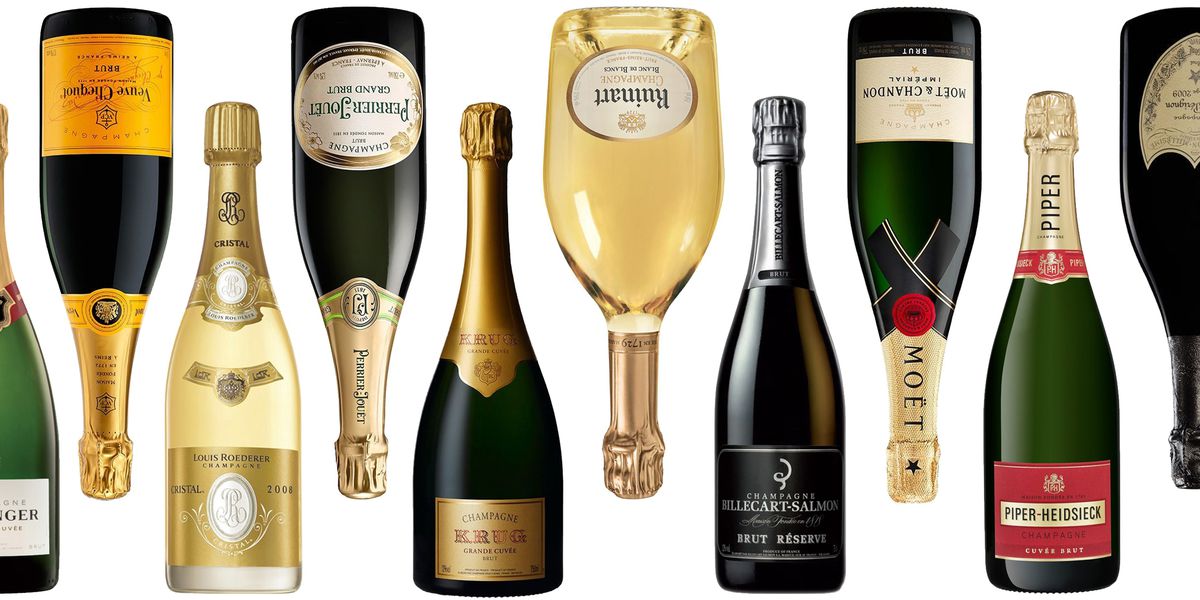
There is an ocean of fairly ordinary ‘industrial’ quality champagne produced, and this is what most people think is good Champagne. These are some of the best-known:

  • Moët white label Brut Impérial (up to 30 million bottles annually)
  • Veuve Clicquot Yellow Label (X millions too)
  • Perrier Jouët
  • Laurent-Perrier (white label La Cuvée @ 5 million bottles)
  • Mumm
  • Nicolas Feuillatte
  • Piper-Heidsieck
  • Pommery
  • Lanson

These are rather an ordinary level compared to what is capable of being produced through the tremendous leaps forward in the quality of champagne today. Each one of these Houses is capable of producing the finest examples of champagne at their upper echelon of enterprise –  think Moët Brut Imperial vs Dom Perignon (the 08 Dom P is pure heaven in a bottle), and these other Houses have, or try, for the equivalent.

In certain great years, these House’s vintage champagnes can be pretty good, e.g. Laurent-Perrier made a stylish vintage 08 which they left on extended Lees for 10 years as it was such a good vintage (it came out @$90-120), but normally their vintage is just marginally better than their White Label La Cuvée.

Simple Rules to Follow

Rule number 1 :  know the vintage –  the weather / vintage conditions really impact on quality here.

Rule number 2 : know the House –  House styles have their particular character, and thus have a personal appeal, and this can be a fairly dependable guide through their grades of quality – Think Pol Roger.

Rule number 3 : every House is ‘different’, different in House style, the winemaker’s philosophy,  the viticulture practices, the land holdings or grape sources / axccess, and financial constraints.

Rule number 4 : prestigious-end Cuvees – this is where all Houses show their winemaking signatures, and where the excitement is. Yes, these are always expensive.

The best Line & Length Houses

What are the Great* Champagne Houses where the line & length of winemaking is outstanding at every level. This is not on the basis of size, but purely on quality at every level, and on value for money.

  • Billecart-Salmon
  • Bollinger
  • Charles Heidsieck
  • Deutz (owned by Roederer)
  • Dom Perignon is part of Moët, but recently separated as a producer brand – and should be listed here.
  • Jacquesson
  • Krug
  • Philipponnat
  • Louis Roederer
  • Pol Roger
  • Ruinart
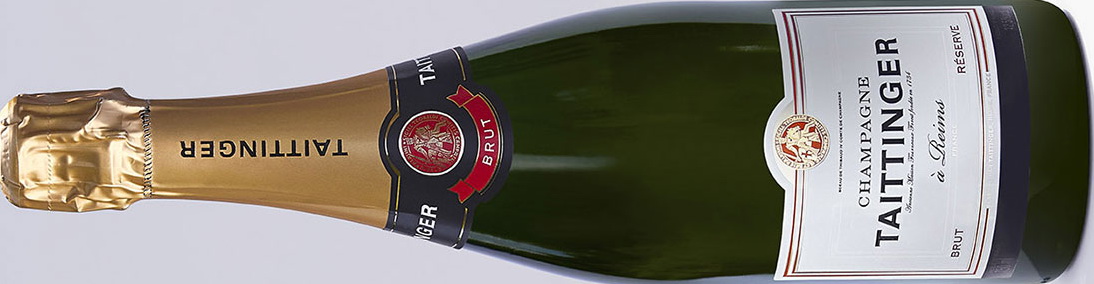
  • Taittinger (a large production, family-owned House, but white label style can reflect the vintage).

Recommended champagne @$70 level

My choice of best value-for-money, entry-level quality

*star rating

**Billecart-Salmom Brut Reserve

**Pol Roger white label

***Louis Roederer Brut Premier – real craftsmanship here, and currently terrific.

*Bollinger

*Taittinger

All these bottlings (with the exception of Billecart) are capable of and vastly improve with 3-5 years

further ageing.

Recommended Champagne @$120 – $150

***Billecart-Salmon Blanc de Blanc NV

*Charles Heidsieck NV

***Charles Heidsieck Blanc de Blanc NV

**Pol Roger vintage

**Louis Roederer vintage

*Dom Ruinart Blanc de Blanc NV

*Gosset NV

**Taittinger Prelude Grand Cru NV

*Taittinger vintage

Exceptional quality Growers/Owners (and possibly Negotiants)

These are smaller estate Champagne Houses that I have found consistent over time ….

**Agrapart

**Andre Clouet

**De Sousa

***Egly-Ouriet

**Jacquesson

**Jerome Prevost

*Paul Barra

***Philipponnat (although now owned by a large House)

**Pierre Gimonnet

***Pierre Peters

*Ulysee Colin

**Henri Giraud

My favourite vintage, and Tete de Cuvees…

Billecart-Salmon Cuvee Nicolas Francois

Billecart-Salmon vintage Blanc de Blanc

Billecart-Salmon Cuvee Elisabeth Salmon Rosé

Bollinger Grand Année

Charles Heidsieck Blanc de Millénaires

Charles Heidsieck Millésime

Charles Heidsieck Millesime Rosé

Dom Perignon vintage

Dom Perignon Rosé

Krug MV

Krug vintage

Krug MV Rosé

Krug BdB Clos de Mesnil

Laurent-Perrier Grand Siècle NV

Laurent-Perrier vintage Cuvee Alexander Rosé

Louis Roederer vintage Blanc de Blanc

Louis Roederer vintage Rosé

Louis Roederer Cristal

Louis Roederer Cristal Rosé

Philipponnat Clos de Goisses

Pol Roger vintage Blanc de Blanc

Pol Roger vintage Rosé

Pol Roger vintage

Pol Roger vintage Cuvee Winston Churchill

Dom Ruinart vintage Bland de Blanc

Dom Ruinart vintage Rosé

Taittinger Comte de Champagne BdB vintage

Taittinger Comte d Champagne Rosé

————————————————–

Additional Resources


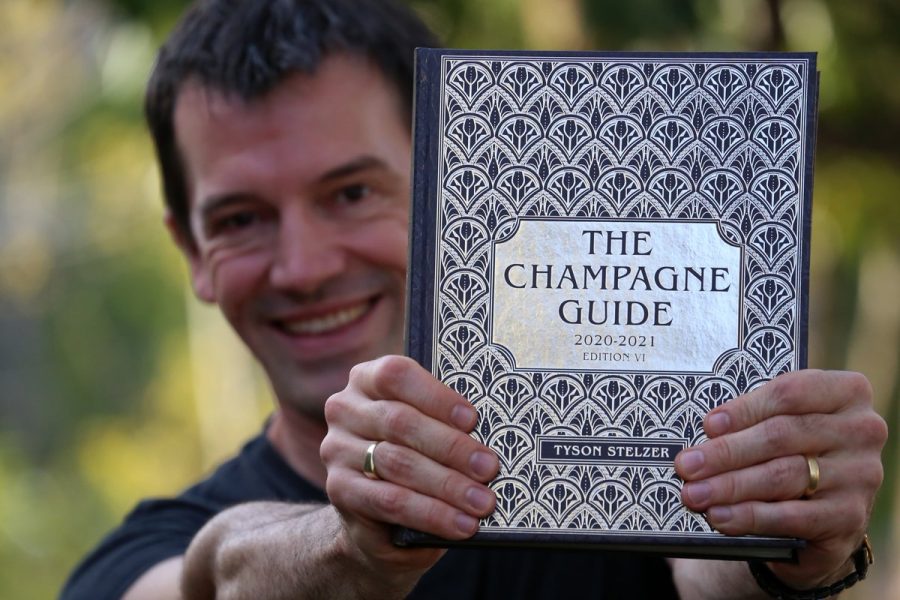
The Champagne Guide 2020-2021 by Tyson Stelzer – Jeffrey says: ‘I recommend this issues without equivocation as it’s a great source of information on both Champagne as a whole, and on individual Houses. You may find reason to critique him in ways not unjustified, as his narrative is a form of prose so well composed I feel, a reader may wonder if its wine he’s reviewing or is he more intent in writing a rich poetic masterpiece for the sake of writing – which is no mean criticism.’

I know exactly what Jeffrey means. I ran into Tyson Stelzer’s wine poetry a few years ago, in piece he wrote about Penfolds Bin and Icon Release 2013, where I accused him of sounding like Penfolds’ PR machine.

Here’s a sample chapter https://www.tysonstelzer.com/wp-content/uploads/2020/06/Champagne-in-the-World-Sample-chapter.pdf

Kim’s Cheat Sheet for champagne jargon https://www.bestwinesunder20.com.au/cheat-sheet-champagne-jargon/

An Easy Guide For Tasting Champagne https://new.glassofbubbly.com/an-easy-guide-for-tasting-champagne/

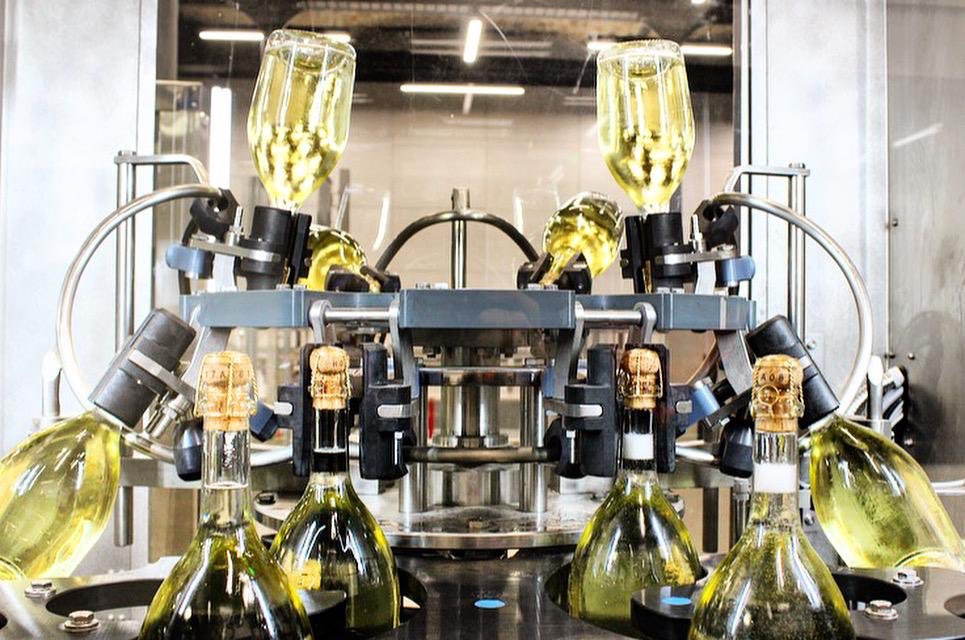
How champagne is made https://www.youtube.com/watch?v=dVtIIjm4lSQ  

What’s For Dinner? Why Adam Liaw is Wrong


I came across an article with this title, written by Adam Liaw. He talks about people who watch 2-hour episodes of Materchef but can’t find the time to cook a meal. Now I like Adam, but this piece is a lot more confusing than his most challenging recipes.

He says we’ve been cooking more than ever during the pandemic, and that we’re tired of it. Then he argues that ‘the dishes we make and the foods we choose to eat aren’t well designed for our modern way of living.’ The result is that cooking a meal takes too long. ‘Even Bolognese is a dish that takes a dozen ingredients and a couple of hours to make properly,’ Adam claims and adds that ‘we’ve lost sight of cooking and eating simply,

I’d go along with that, Adam – just look at Masterchef  – but when you claim that it takes two hours to cook a Bolognese, we’re a long way away from simple cooking and eating, aren’t we.? I don’t like Spag Bol since I find the mouthfeel of minced meat off-putting, but I manage to cook Italian meatballs in 45 minutes, and they’ll blow your socks off. Lots of ingredients for sure, but simple stuff like pesto, red wine, anchovies, bacon or chorizos, canned tomatoes, passata, leeks, peppers, mushrooms, herbs and spices. I use pasta from one or two days before. Shaping the meatballs is the only time-consuming part.

15 MINUTE DINNERS

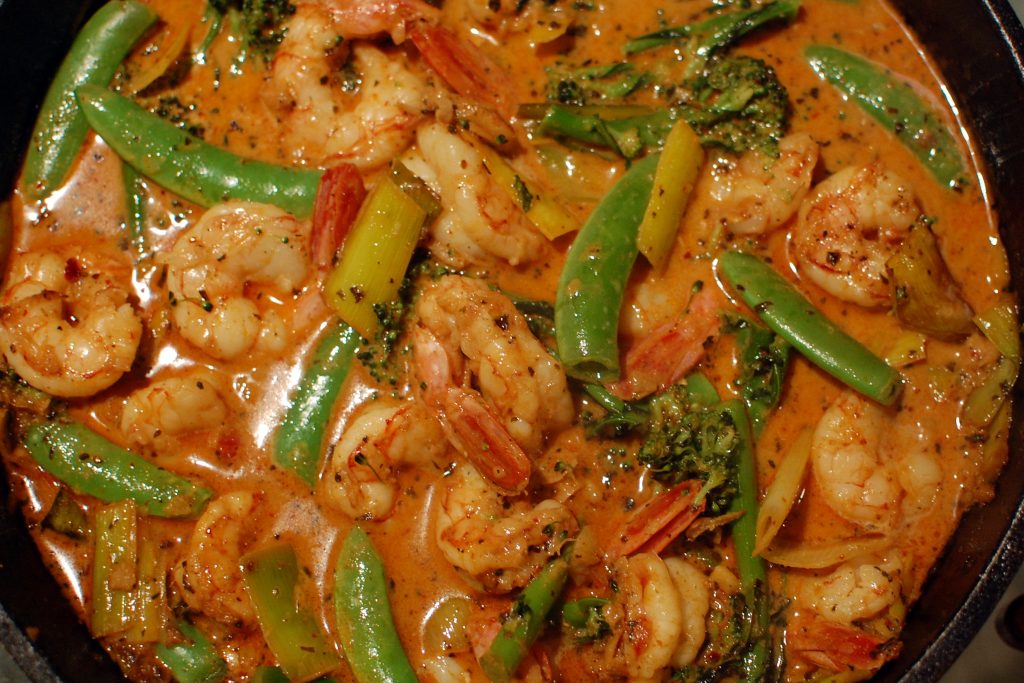
Thai Red Prawn Curry

There are lots of ways to produce tasty, healthy food with very little time and effort. Here’s a simple example: Last night we came home from a trip, and I felt like an Asian dish. I took some prawns out of the freezer (shelled and deveined), and let them thaw out for half and hour while I unpacked, poured us a beer and turned on the TV to catch the evening news.

Stir-fry dishes are best cooked fast, after you’ve got the ingredients chopped up and lined up. In this case:

  • Broccolini, sugar snaps, leek
  • Sesame oil, soy sauce, sweet chili sauce, red curry paste
  • garlic, ginger, lime leaves, lime juice, soy sauce, white wine
  • coriander, basil, seasoning

During the virus crisis the price of ginger and Garlic went through the roof, and I discovered the joys of buying these ingredients in a jar: cheaper, more convenient and consistent in quality. So you stir-fry the veggies in a mix of sesame oil and soy sauce for a few minutes, and bring the red curry paste to a simmer in another pan (I always add some wine).

Now you toss the prawns into the stir-fry (make sure you’ve drained off any water), let them fry for a couple of minutes and then add the remaining ingredients, stirring and tasting. My curry turned out too hot, so I added some coconut milk. The final result was more like a Laksa but Tracey called me a genius, which I think means she enjoyed it.

The whole thing took about 20 minutes, and the only ingredients I had to buy were the veggies; everything else was in the larder or the fridge. Could it be any simpler? I doubt it. This is what it looks like

Salmon and buttered veggies

I steam Brussels sprouts, green beans and asparagus for 10 to 15 minutes. When they’ve been on for a couple of minutes, I fry 3 salmon steaks in a mix of butter and olive oil, sprinkled with Thyme and Dill. One of the salmon steaks is for another night, and another dish. We take the veggies off, drain them and add a few scoops of butter. Add seasoning and a squeeze of lemon over the salmon and serve.

Couldn’t be easier. The salt is important in simple meals: we use Vogel’s Herbamare, which you can get from the supermarket. It makes everything a lot more tasty in a subtle way.

Variation 1: replace veggies with a salad

Variation 2: replace salmon with different seafood

Salmon, bacon and spinach pasta

We set the biggest piece of cooked salmon aside for another meal, which uses pasta from a couple of days ago (I cook 250g at a time, it keeps for 4-5 days in a container in the fridge). I fry some bacon with coarsely chopped leeks and a few asparagus spears in olive oil. I stick a decent handful of spinach into a small frypan with some butter for 2-3 minutes, then set it aside.

I add a splash of white wine to the big fry pan, then add the salmon broken into big pieces, add some green pesto (and red if you fancy), Italian herbs and Thyme, plus seasoning. Then we mix 3 – 4 tablespoons of sour cream into the dish and add the spinach. I know it’s sacrilege, but I like to sprinkle parmesan over my seafood pasta.

Variation: use prawns instead of leftover salmon, or use both

Bacon, leek and mushroom pasta

We chop up bacon, leek and mushrooms, fry them in a mixture of butter and olive oil, add rosemary, thyme and chives, toss in some cooked pasta and add the seasoning. If the result is too dry, just add a little more butter and some white wine. Serve with grated cheese. How easy is that?

Chicken & chorizo tray bake

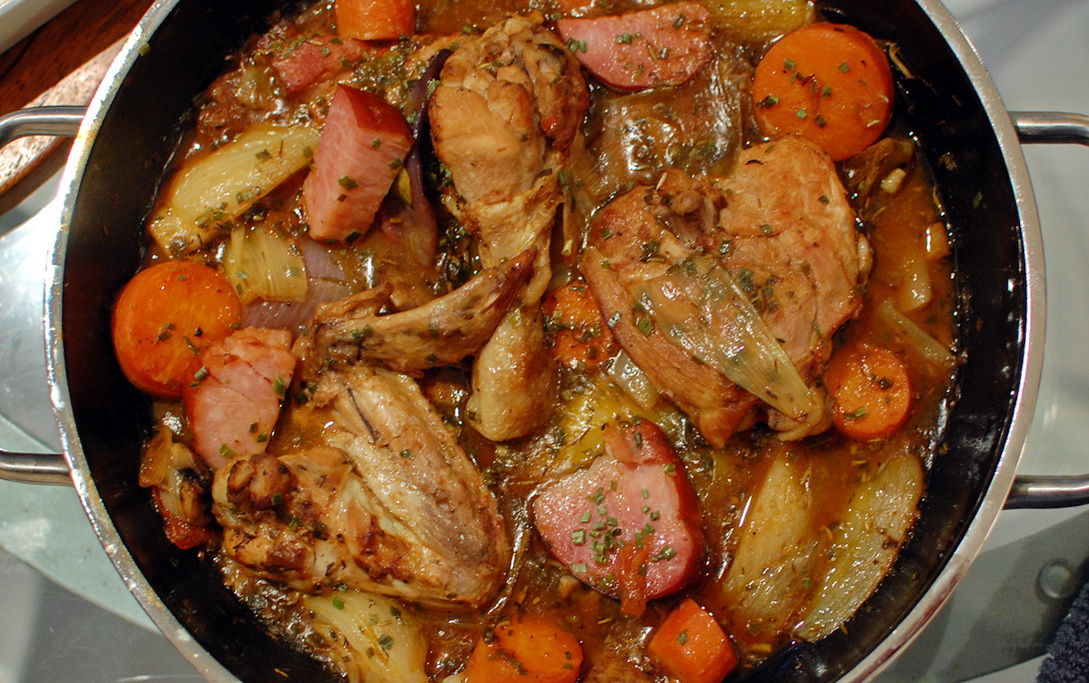
Yes it takes an hour and a half, but the cooking takes 15 minutes – the rest happens in the oven. You can cook enough for 3 meals and just warm up the other 2 when you like. You fry chicken pieces of your choice and chorizo sausage cut into chunks, then bake with chunks of onions and fennel, red and green peppers, potato wedges, in olive oil for 90 mins. Just add a squeeze of lemon, + thyme, Herbamare and black pepper.

These are just a few examples to challenge Adam. There are plenty more in our VERY EASY FOOD section. A couple that spring to mind are Easy Pork in cream, mushroom & mustard sauce & Dead Easy Kassler in soy-ginger-honey glaze.

And then there are our great casseroles: they take 100 minutes to cook (mostly by themselves), but we get 3 and often 4 meals out of a single casserole. We eat one and freeze the others. All you need to do then is thaw them out and warm them up. Could it be easier?

There you go

The Best Aussie Chardonnays Part 2 – 2020


You’ll find Part One HERE , Part 3 HERE, and Part 4 HERE

Chasing the Best Value / Price Performers

In our study of The Best Aussie Chardonnays of 2020, we found that the serious contenders started at around $50 and went up beyond $100. We also put these prices in perspective by noting that the top white Burgundies sell for 10 times as much as our most expensive contenders. We concluded that Australia is still the lucky country, at least when it comes to wine.

White wine that is. Our top reds sell for close to $1,000, yet our best Chardonnays top out at $150 with Penfolds’ Yattarna if you ignore the $250 Cloudburst which is made in tiny quantities. Other choices with >$100 price tags are Giaconda, Cullen Kevin John, Penfolds Bin A, By Farr GC Cote Vineyard, Leeuwin Estate Art Series, Mount Mary, Xanadu Reserve and Yering Station.

Super Premiums

The question we want to find an answer to is this: how much better is a $120 Chardonnay than a $30 or $40 Chardonnay? One answer to that question is that $120 Chardonnays can be mediocre, unexciting and lacking essential qualities. How would you feel if you’d paid over a hundred dollars for a special Chardonnay, and were as underwhelmed as  these reviewers?

The Xanadu Reserve didn’t excite Campbell Mattinson at The Wine Front. ‘It didn’t scream $110,’ he wrote … ‘It tastes of grapefruit and nectarine for the most part, though white peach and cedarwood are certainly part of its show. It has good flow, balance, length and overall zip, and while it’s well powered it doesn’t have killer intensity, nor the suggestion of it. I’d put it in the class of “upper very good”, if that makes sense, with the assumption that age will be kind. 93+ points.’

The Yering Station Reserve Chardonnay 2017 made about the same impact on Gary Walsh at TWF: ‘One of the more expensive Yarra Valley Chardonnay wines,’ Gary starts. ‘Fine and lean in style, with green apple, almond, a little smoke and bacon. Tight, lemon and apple flavour, almond cream, bracing acidity, and a long cool finish. It doesn’t have a great deal of stuffing, in terms of flavour or weight, but should improve with bottle age. 93+ points.’

Value

As we’ve demonstrated many times, price is not the best guide to quality. Today we’re trying to find a different threshold: how much do you need to spend before you’re in the realm of serious Chardonnays that offer seductive stone fruits integrated with fine oak, lees storage complexity, a creamy texture and the promise to improve with a few years of storage?

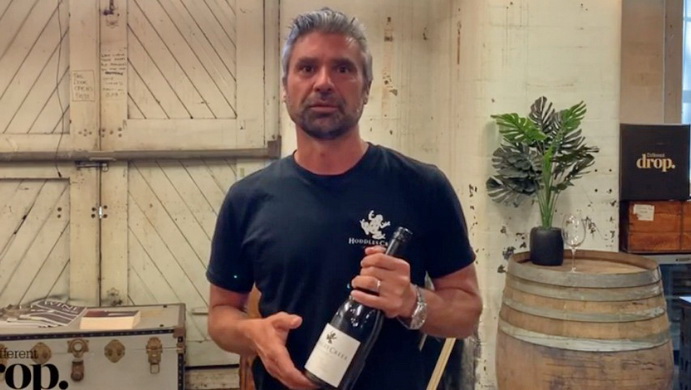
We figured we should be able to find a handful of great chardies in the $20 – $30 range, and we were right. In fact a couple of the best are around $20: the Hoddles Creek Yarra Valley twins from 2018 and 2019. I reckon Franco d’Anna is making the best chardies he has in years, and he’s kept the prices user-friendly. A couple of gems further up the price scale round out the selection.

Styles

As I recalled in part 1 of our Search for the Perfect Chardonnay, down under we went from the ripe, peachy, buttery and oaky chardies of the nineties to the lean, austere skin-and-bones style of the naughties. At the same time, white Burgundy went through the ‘Premox’ crisis, which turned $500 bottles into dull brown wines that resembled badly made sherry.

Premature oxidation – also known as ‘the pox’ – became a hotly debated topic, since the cause was a mystery at first. Eventually, it was put down to barrel fermenting, lees stirring and racking (moving wine from one barrel to another). When the wine’s exposure to oxygen is carefully controlled, the wine tends to show more tertiary flavours that add complexity. When the exposure is excessive, oxygenation can occur.

Burgundy makers quickly reduced exposure to oxygenation in their winemaking with inert gas and more sulfur. Predictably this led to ‘reductive’ characters, sulphide notes that make us think of struck matches. Once these were seen as faults in wine, but now they became trendy signs of a funky new style.

This style also tended to avoid the malolactic fermentation that converts malic acid to lactic acid, a process that softens wines and gives them a creamy texture. Jancis Robinson provides more detail on the new style of Chardonnay in ‘Struck-match wines – reductio ad absurdum?

The Winners

Hoddles Creek Estate Chardonnay 2018 – $20 at My Cellars. The 2018 is still out there. It came across as fine and elegant when I tasted it last year, and a bit light on. It has put on some weight since then, showing more white peaches and nuts, more texture, more depth and complexity. The style is still elegant and restrained, but should open up some more over the next 12 months. Classy beyond its modest price tag. 94+ points.

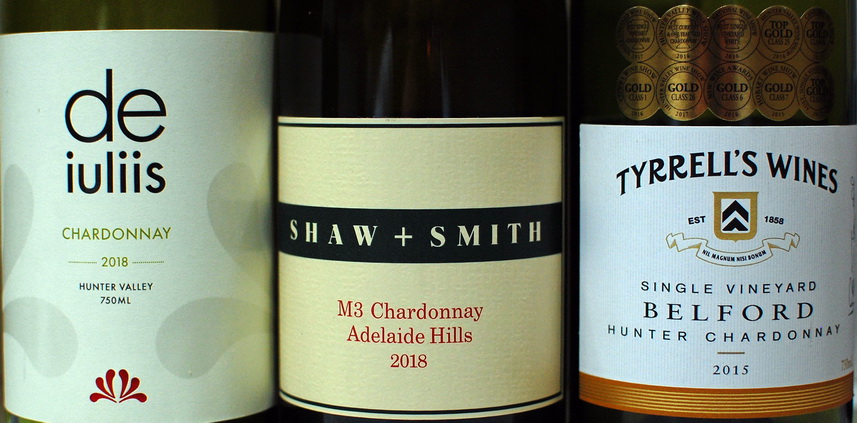
De Iuliis Hunter Valley Chardonnay 2018 – $18 at Cloudwine. A well-made Chardonnay from a top Hunter year, showing a lot of restraint right now. You’d swear this were a cool climate chardy, so elegant is the execution here, so subtle the flavours of peach and melon. There’s just a kiss of oak and a long fine finish. Good tension and great potential, but why not let the fruit ripen just a little more (alc. 12.8%)? 94++points.

Hoddles Creek Estate Chardonnay 2019 – $21 at Different Drop or Cloudwine. The 2019 is a beauty of more immediate appeal, bigger and more forward than the 2018, it pretty much leaps out of the glass with creamy white peach and almond notes. The flavour is ripe, round and generous and the subtle oak pretty seamless, but there’s enough length as well and a clean finish. It will improve in the short term, but it’s great drinking already. A joyous wine. 95 points.

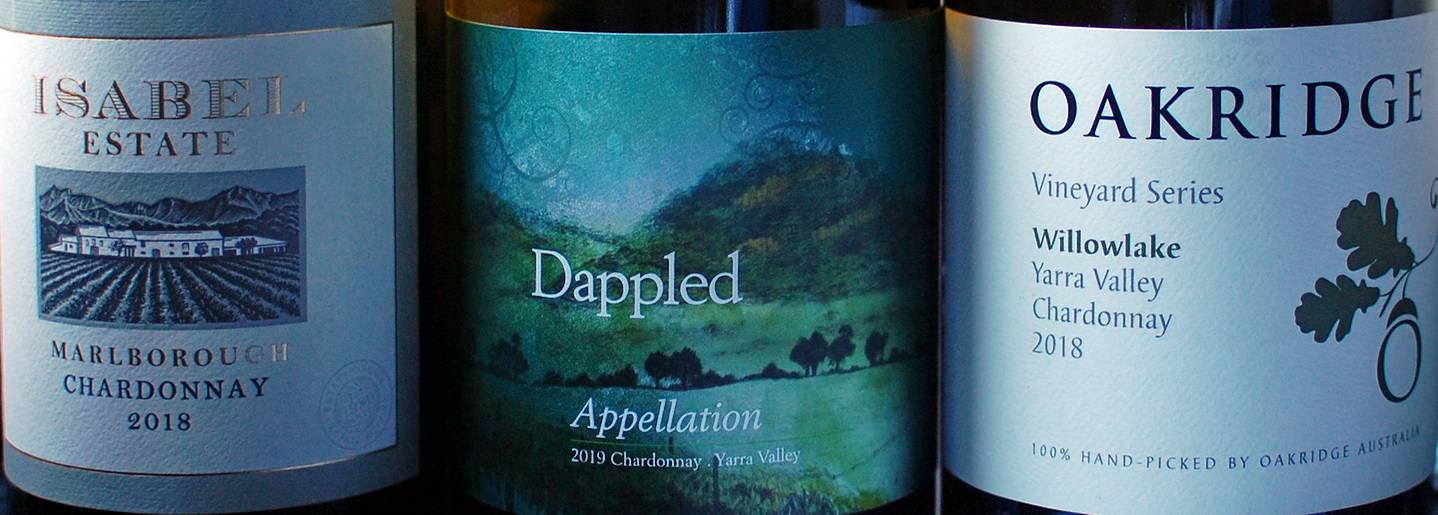
Isabel Estate, Chardonnay, Marlborough, 2018 – $28.50 at Dan M’s. The moment I got my nose near the glass, I knew it was my kind of chardy: peaches and nectarines backed by toasted oak with overtones of apricot kernels, notes of oatmeal and yeast, all quite seamless. Medium-bodied (13.5) but full-flavoured. The oak/fruit balance is close to perfect (and will be with another year or 2 in the bottle), and there’s good depth and length with the creamy texture a bonus. 96 points.

Port Phillip Estate Chardonnay 2018 – $30 at Kemenys. We opened a bottle of the 2016 not long ago, and it’s beginning to show its charms. Like good Burgundies, these wines from the Mornington Peninsula take time. They tend to be oaky in their youth, but this fades over a couple of years and gives way to a classic white peaches and cashews style, all with great finesse. Finesse and real class here. 95+ points.

Mountadam High Eden Chardonnay 2016 $28 at 1st Choice. I’m a fan of Mountadam chardies as you know. This is their top label, made from the oldest plantings on the estate, fermented in and matured in French oak for around 18 months. It delivers gorgeous stone fruits and nectarines, adds creamy cashews and fine-polished oak. It’s rich and round and bigger than most of the wines on this list (14%), and it’s ready to drink. 95 points.

Dappled Appellation Chardonnay 2019 – $29 at The Vinepress or $30 at Different Drop. Nobody had heard of winemaker Shaun Crinion until he came out on top of James Halliday’s Best New Winery category in the 2018 Companion. He produces about 1000 cases a year, all hand-made, and the eviews have been glowing. Read about the road Shaun travelled to get to this point.

‘It might be the best $30 you can spend in wine right now,’ Campbell Mattinson’s review of the 2018 starts. ‘Beautifully packaged, beautifully styled, beautifully flavoured. Complex, smoky, ripe, flinty, pure and long. It has much going on, but the recommendation is simple. Matchsticks flung in the direction of grapefruit and peaches. A gentle, gentle milky-creaminess. Just so good. 95 points.’

The 2019 shows the same purity, shape and length but is perhaps less complex, with few matchsticks but more peaches and melons than grapefruit. Blanched almonds add a gentle touch. The wine is seamless, and just glides across your tongue like cool, crystal clear water from a rainforest brook. And it lingers long after it’s gone down the hatch, as only the best wines do. Tremendous purity and precision. 96 points.

Oakridge Willowlake Chardonnay 2018 – $30 at Wine Sellers Direct. There’s a nervous and edgy energy here, suggesting the wine needs more time to settle down, but there’s no denying its vitality and aging potential. White peaches and hints of grapefruit, the oak stays in the background, and mineral notes make the long finish more interesting. 95+ points.

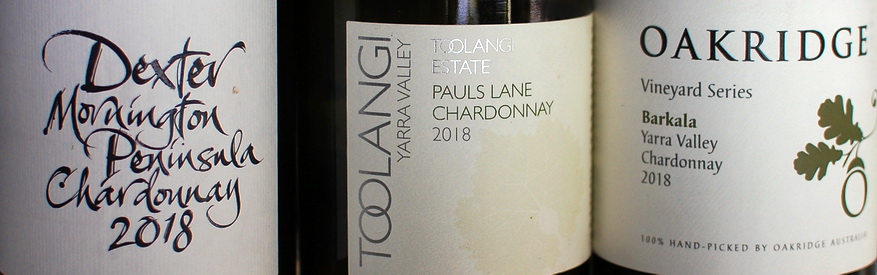
Dexter Mornington Peninsula Chardonnay 2018 – $36 at Summer Hill Wine. Another smooth talker, made by Tod Dexter who has made wine for Stoniers and Yabby Lake. Polished, seamless, round and restrained. White peaches and nectarines, nectarines and cashews from the oak. Some of the fruit went through the malo, but the wine is slippery rather than creamy. Finesse, balance, and great line and length. We’re making some stylish cool climate chardies, aren’t we? I do wish for a bit more flesh and complexity though. 95 points. 


Oakridge Barkala Chardonnay 2018. This wine is pretty much gone unless you want to pay a premium for it. The Henk and the Willowlake Chardonnays are still out there, and they’re very similar. White peaches, pears and grapefruit, supported by oatmeal from the gentle oak. There’s vitality and complexity, finely-judged balance, finesse and great line and length. David Bicknell has his cool climate Chardonnay formula worked out: an underlying tension adds life to the wine, but nothing’s overdone. Will improve for a year or two. 95+ points.

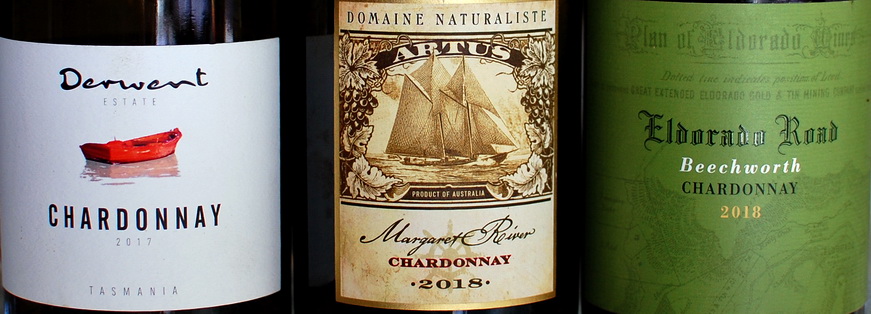
Derwent Estate Chardonnay 2017 – $35 at Kemenys. Still chasing that illusive dream: great chardies that don’t cost and arm and a leg. This one gets 96 points from Huon Hooke and a rave review (at the link). Won the trophy for Best Chardonnay in Hobart 2 years running. 13.5% and all of the wine went through malolactic fermentation.

Impressive fine polish here, and seamless integration of stone fruit, citrus and oak. Real finesse and fine bones, not a hair out of place but left me wishing for a touch more complexity. 95 points. 

Eldorado Road Chardonnay 2018 – $33 at Kemenys. Another rave review from Huon Hooke, and another 96 points – ‘Almost anything you want in a Chardonnay is there.’ Not sure why  I’ve not had many chardies from Beechworth. It’s only 50 kms south-east of Glerowan, but the hills make it much cooler. The winery takes its name from the road to a town called Eldorado.

The fruit for this wine comes from a vineyard that is 550m high. Lots of energy and flavour here, if not complexity, balanced by great purity and precise varietal expression. Stone fruit and cashews plus hints of toasty oak, all the elements work happily together, and the wine is well balanced with a long, fine finish. Another year or 2 will fill it out some more. 95+ points. 

Shaw + Smith M3 Chardonnay 2018 – $43 at Vintage Cellars (today). Yes we’ve gone over $40 here, but this wine gets rave reviews and I haven’t checked this line for years. It used to be too lean and skinny for my taste, and it’s still far from rich and ripe. That said, it delivers plenty of goodies:

Some struck match notes on the nose, but not enough to strangle the aromas of stone fruit and grapefruit. Peaches, nectarines and grapefruit do the singing, supported by oatmeal and almonds from the oak. Everything is in perfect balance here, the wine is seamless and the fine finish goes on and on. I like a little more body in my chardies, but that’s a minor quibble. Will improve for a couple of years at least. 96 points. Won the trophy for best young white at the 2019 Melbourne Show.

Tyrrells Belford Hunter Chardonnay 2015 – $34 at Kemenys. A delicate, fine-boned Chardonnay that whispers ‘cool climate’ with every sip. A fine example of Chablis, or Tasmanian chardy from a cool year. You’d never pick this as coming from the Hunter, let alone Belford which is known for producing generous whites. Why are Hunter winemakers trying to outdo the cool climate winemakers from down south?

What happened to the idea of wine expressing its origins? That aside, it’s a well-crafted wine in the manner of Dresden china. Since it’s already 5 years old, I can’t see it changing much over the next five. 95 points.

The Disappointments

Toolangi Estate Pauls Lane Chardonnay 2018 – $37 at Kemenys. This is a wine I worked hard to track down, because it gets 2 super reviews from Campbell Mattinson. This is from The Halliday Wine Companion 2020: ‘Crushed and pressed with full solids straight to oak (20% new), both primary and malolactic fermentations going through wild. It’s a wondrous wine. Flinty, direct, pure and authoritative. It tastes of oatmeal, white peach, toffee apple and cedarwood, though everything is cut and freshened by citrus and those struck match notes are stitched into every cranny. The finish, wow, it doesn’t, or not in a hurry. One swallow brings a summer of flavour.’ 98 points.

Given the ‘modest’ price, I thought this might’ve been our giant killer, but I was wrong. Those struck match notes are indeed stitched into every cranny of this chardy, so much so that they kill all the other goodies CM talks about stone dead. Even after 3 days, the reductive lead blanket refused to lift and give us a taste of the goodies underneath. Did I get a bad bottle? Who knows? On this evidence, the wine has a major flaw. Not Rated.

Domaine Naturaliste Artus Margaret River Chardonnay 2018 – $38 at MyCellars where the freight is free for subscribers on any quantity (promo code BWU20). The fruit comes from the cooler southern end of Margaret River, the wine fermented with wild yeasts and matured in 40% new French oak barriques. Most Chardonnay over here is made from the Gingin (Mendoza) clone, which needs to be picked fully ripe to avoid hen & chicken bunches – plump ripe and small unripe grapes on the same bunch.

The wine was given the royal treatment from wild yeasts to the malo, and spent a year on lees in toasty French oak barrels. That made the wine’s delicacy a surprise, as I expected more flavour and more complexity. The subtle stone fruit sits alongside some grapefruit, backed by mild nutty oak. Bruce Duke clearly wants more finesse in his chardies than I do. It’s just a bit underdone for my taste. 94 points. Not Convinced at the price.

Penfolds Bin 311 Chardonnay 2015 – $37 at Kemenys. I expected the secrets Penfolds winemakers had learned from making Yattarna to have trickled down to the lower ranks, and so it was, at least with the oak treatment: Slabs of it overwhelming fairly delicate cold climate fruit from Tumbarumba and similar places. Shame. Will the fruit ever absorb the oak? If it hasn’t done so in the last 5 years, I doubt that it will in the next 5. 92 points.

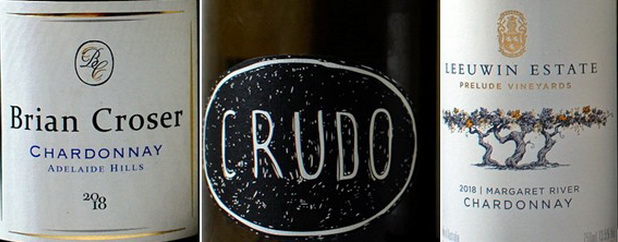
Brian Croser Chardonnay 2018 – $28 at DM’s. The back label tells us that Brian has always made wines from grapes he grew. I thought he bought in fruit from Cowra and Coonawarra for his early Petaluma wines, but I could be wrong.

The fruit for this wine comes from Geoff Weaver’s vineyard at Lenswood in the Adelaide Hills. It’s a lighter style that pales a bit in this company. Gentle notes of stone fruit and citrus, a whiff of oak, there’s a little more life on the palate but not for long; it’s well-made and well-balanced in a gentle sort of way. 93 points. Not Convinced.

Luke Lambert Crudo Chardonnay 2019 – 26 at Different Drop. This chardie gets an excellent review from the Winefront, which was the reason I bought it. ‘It’s a wine of unique personality and rare sophistication at its price point, and otherwise,’ Gary Walsh sums up. It sure serves up an intriguing blend of fruit, herbs and spices, adds a pinch of salt and a note of struck match funk. Oak takes a backseat, and I think it would’ve been better sitting close to the driver. The wine lacks an essential dimension as a result. 92 points.

Meltwater Marlborough Chardonnay 2018 – $26 at My Wineguy. This is the new ‘entry level’ range from Corofin in Marlborough. The attraction for me was that all the wine went through the malo, so I expected a rich, peachy, buttery chardy. What I got was a curious wine that shows great finesse on opening, followed by a kind of flat spot of flavour on the mid palate. Sea spray and minerals add interest but the wine comes across a little disjointed, the fruit not as vibrant as it should be, and the texture not as creamy as you’d wish. Might’ve been better with some time in new oak. 91 points.

Leeuwin Estate Prelude Chardonnay 2019 – $30 at Dan M’s. Looking for positives, we can talk about finesse and elegance, and crisp lines like new trousers; the downside is lack of flavour, depth, impact, interest and proper Chardonnay notes. It’s not a Chablis style either, it’s just underdone, almost feeble for $30. 90 points for being crisp and clean. Not a bit convinced. Gets 96 from you know who.

Scarborough Yellow Label Chardonnay 2016$24 at Vintage Cellars. The website says 2016 but I suspect you’ll find the 2017 on the shelves. This may be a good thing because the 2016 is a major disappointment, a fairly feeble rendition of The Scarborough Wine Co. had reputation for making chardy in the old-fashioned ripe peaches and buttered toast style. No butter or toast to be found here, and more pineapple than peaches. The whole thing is low-voltage and low impact. 88 points.

Howard Park Flint Rock Chardonnay 2018 – $20 at Nicks. This wine impressed me at a trade tasting, and reminded me (when I bought a sample) that trade tastings are not the best environments for assessing wine. The fruit is too sweet, and the wine kind of peters out after the initial burst. The oak tags along with the rest but doesn’t pull its weight … the wine is not seamless and not well-balanced. 89 points.

The Bottom Line

Our Highperfromers were the Dappled Appellation 2019, the Isabel 2018, the Hoddles Creek 2018 & 2019 (different as they are), the Oakridge Willowlake 2018, the El Dorado Road 2018 and the Shaw & Smith 2018 if you can stretch to a little over $40.

You’ll Find PART 3 of our CHARDONNAY ODYSSEY HERE

The Best Aussie Chardonnays of 2020 – Part 1


You can check Part 2 HEREPart 3 HERE, and Part 4 HERE

The ABC of Chardonnay 

Chardonnay holds a special place among white table wines. Unlike the aromatic varieties – Riesling, Sauvignon Blance, Pinot Gris and Gewurztraminer – serious Chardonnay is not made to preserve freshness but to  produce savoury complexity. The main reason Chardonnay is so different is that it is made like red wine: fermented and stored in small oak barrels, usually a mix of new and one- or two-year old. Like good reds, Chardonnays tend to improve for years; serious white Burgundies often reach their peak at about 10 years of age.

The story of Chardonnay in Australia reminds me of that Paul McCartney song ‘The Long and Winding Road’. In the eighties, Chardonnay became the trendy new white everybody wanted to drink more of. The most popular style was the big sun-drenched, gutsy kind of chardy full of ripe peaches and as smooth as butter, with toasty oak riding shotgun.

The early naughties saw a backlash in the form of the ABC movement – Anything but Chardonnay. Punters were growing more sophisticated and demanded more finesse in their Chardonnays, and a new generation young gun winemakers was ready to push the pendulum to the other side. The new model was Twiggy, not Jane Mansfield. Some of the wines were mean and lean, anaemic and emaciated, others offered a bad acid trip.

Gunflint and Woodsmoke

Ever so slowly, the pendulum began swinging back toward the middle in the second decade of the new millennium. The biggest obstacle to a return to sanity was the malolactic fermentation, a secondary fermentation that turns mean, green malic acid into the softer lactic acid that gives chardies a creamy texture. The young guns abhorred the buttery chardies of old and tended to avoid ‘the malo’ since it produces diacetyl, the compound responsible.

The malo doesn’t just produce butter and cream, but it also adds complexity. To make their chardies more fascinating, the younger guns used wild yeasts, barrel fermentation and storage on lees combined with batonnage, a French term for  stirring settled lees back into the wine. That only worked up to a point, so in the end most of them came back to the malo, at least for part of the wine. And they retained elegance and finesse by picking fruit earlier.

They also discovered new tricks, such as sulphide notes that make us think of struck matches. These are the result of ‘reductive’ wine making techniques designed to prevent oxygenation. Jancis Robinson provides more detail in ‘Struck-match wines – reductio ad absurdum?

Squeezing Blood out of Points 

Today we have a bunch of top notch wineries down under making great Chardonnays from the Hunter Valley to Margaret River, great enough to challenge serious Burgundies. Which are the best of these is an obvious question, one that serious reviewers like to take serious stabs at answering.

So why am I having a stab? The same reason as always: to carry out a reality check, and to see if we can find a sweet spot here among these wines with exalted reputations and eye-watering price tags. For our purposes I set the upper limit at $60, which is 3 times our usual benchmark. Of course the law of diminishing returns comes into its own here, so don’t expect a wine 3 times as good as wines costing $20.

The 100 point scale has always been under pressure down under, where anything under 90 points is deemed to be vin ordinaire, and 96 points amounts to a clear winner (by contrast, 84 points is a decent score in America and Europe). Don’t ask me why this is so, coz I don’t know. That said, we’ve found some $15 – $25 chardies that we scored 94 and 95 points. Hoddles Creek comes to mind, and Singlefile, Rosily, Mountadam and Topers – I wish I’d bought more cases of the Topers 2016 at $15.

The Winefront and The James Halliday Chardonnay Competition seem reluctant to go beyond 96 points, which crunches up the point scale even more. James Halliday sets his upper limit at 99, and so does Huon Hooke. However, this post is not about point scores but styles. There are still plenty of anaemic chardies out there, and many of us want to avoid them. I can’t count the number of emails asking me to list full-bodied chardies.

The Chardonnay Olympics

The annual James Halliday Chardonnay Challenge follows the publication of Halliday’s 2020 Wine Companion. To the best of my knowledge, the grand old man of Aussie wine lends his name to the JHCC –now sponsored by Langtons – but not his palate.

The third attempt at classifying Australia’s top Chardonnays comes from the boys at the Winefront, which has published an exhaustive account of a major tasting by the three amigos: Messrs Walsh, Mattinson and Bennie. From what I can make out, a fellow called John Humphrey provided the notes; he describes himself as a Professor and Executive Dean, former M&A Partner in a Global Law Firm, Australian Chardonnay lover and Company Director.

We also consult Huon Hooke along the way, who has beefed up his tasting team to rival Halliday’s. He has no intention to rival Halliday when it comes to overly generous scores, however.

The 3 amigos – photo credit: Milton Worldley

James Halliday’s top list in the Wine Companion is:

  • 99 points – Moss Wood Wilyabrup 2017
  • 98 – Deviation Road 2017
  • 98 – Ochota Barrels Control Voltage 2018
  • 98 – Penfolds Reserve Bin A 2017
  • 98 – GC by  Farr 2017
  • 98 – Evans & Tate Redbrook Reserve 2016
  • 98 – Flowstone Queen of the Earth 2016
  • 98 – Fraser Gallop Estate Palladian Wilyabrup 2017
  • 98 – Leeuwin Estate Art Series 2016
  • 98 – Robert Oatley The Pennant 2015
  • 98 – Garagiste Terre Maritime 2017 (we are getting sophisticated, no?)
  • 98 – Tolpuddle 2017
  • 98 – Mount Mary 2017
  • 98 – Toolangi Paul’s Lane 2018

What stands out here is that half of these wines don’t appear on any of the other top lists.

The James Halliday Chardonnay Challenge without James Halliday

Let’s start with this massive tasting. The wines are given points out of 100, and medals. Many wines on the long list don’t win medals or scores, which I assume means they didn’t make the cut.

In previous years, many results of the JHCC had me scratching my head, and so it is again this year. Vat 47, once the standard setter others followed, did not score with the 2017 from a brilliant Hunter Valley year, and scored just 90 points for the 2018 (silver medal). The 2018 Belford Chardonnay didn’t score at all.

Silkman Reserve Chardonnays 2017 and 2018 scored bronze medals and 88 points, as did Hoddles Creek Estate 2018 Syberia, and Oakridge Wines 2018 Willowlake Chardonnay. Hard to believe. Bannockburn Vineyards 2018 Chardonnay scored 87 points, Leeuwin Estate’s Art Series 2016 Chardonnay scored 93, and Penfolds 2018 Bin A Chardonnay scored 86 points to scrape in with a bronze. Even harder to believe.

Ray Jorden scored the Leeuwin Estate 99+ points, and Halliday gives it 98 along with the Penfolds Bin A. I thought the Leeuwin Estate was close to perfect but lacked character, like the gorgeous woman you meet at a party who turns out to be a crashing bore. We’re talking $100 Plus wines here that get 20 dollar scores, and there are many more examples of big name chardies that failed to impress the JHCC judges.

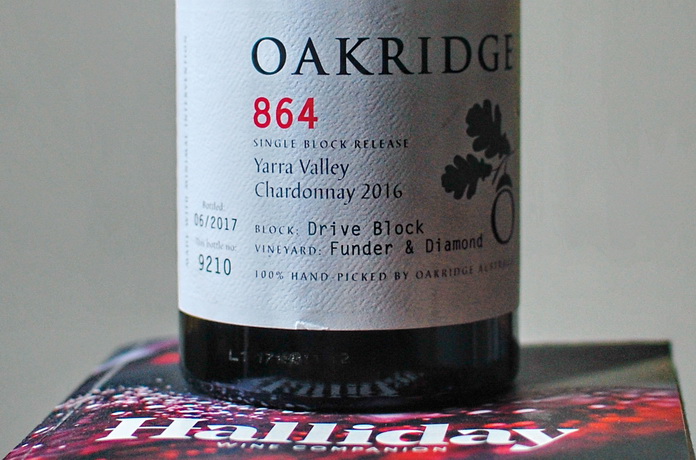
The JHCC’s top Chardonnay was Oakridge Wines 2017 864 Funder and Diamond Chardonnay

The Regional Winners were

  • 2017 First Creek Winemaker’s Reserve Chardonnay – 95 points
  • 2018 Paringa EstateEstate Chardonnay – 95 points
  • 2017 Indigo Vineyard Secret Village Chardonnay – 95 points
  • 2017 Tolpuddle Vineyard Chardonnay – 96 points
  • 2018 Credaro Family Estate1000 Crowns Chardonnay – 96 points
  • 2018 Pike and Joyce Wines Kay Reserve Chardonnay – 96 points

The loneliness of the long-distance taster?

Confusion and Consensus

Consensus is almost impossible to find. The JHCC top-scoring Oakridge 864 Funder and Diamond vineyard Chardonnay 2017 also gets a great wrap and the same score of 96 points from the 3 amigos at TWF. It fails to make the Wine Companion’s top 14, and Huon Hooke scores the Oakridge 864 at 97 points – a point short of making his top 98-pointers which are:

  • By Farr Cote Vineyard Chardonnay 2017
  • Giaconda 2017
  • Leeuwin Estate 2017
  • Mount Mary 2017
  • Tapanappa Tiers 2017
  • Tarrawarra Reserve 2017

97 points

  • Oakridge 864 Funder and Diamond 2017
  • Silkman Silk 2017
  • By Farr Cote Vineyard Chardonnay 2018
  • Howard Park Allingham 2018
  • Soumah Equilibrio Hexham 2018

The first 5 wines that Huon scored 98 points are also on TWF’s top list, so we have some agreement here. The TWF report mentions that the amigos have now agreed amongst themselves that the best Chardonnays in Australia come from the Yarra Valley. It’s curious then that neither JH nor HH have any Yarra Valley chardies on their top lists. It’s also curious that so few of the chardies on these lists come from Margaret River.

John Humphrey’s TWF review at the link below covers a lot of ground in great detail, and the description of the wines some way down is an exacting style guide for each of the candidates. The top wines of the 3 amigos in the blind tasting were

97 Points

  • Giaconda Chardonnay 2017
  • Hutton Triptych Reserve Chardonnay 2018,
  • Joshua Cooper Captains Creek Chardonnay 2017

96+ points

  • Pierro Vintage Reserve Chardonnay 2015
  • By Farr GC Cote Vineyard Chardonnay 2017
  • Joshua Cooper Captains Creek Chardonnay 2018
  • Fraser Gallop Palladian Chardonnay 2017
  • Leeuwin Estate Art Series Chardonnay 2016

96 points

  • Sorrenberg Chardonnay 2017
  • Murdoch Hill ‘The Rocket’ Chardonnay 2018
  • Tapanappa Tiers Chardonnay 2017
  • Cullen Kevin John Chardonnay 2017
  • Bindi Quartz Chardonnay 2018
  • Vasse Felix Heytesbury Chardonnay 2017
  • Penfolds Yattarna Chardonnay 2017
  • Bindi Quartz Chardonnay 2017,
  • Liger-Belair Corton Charlemagne “Les Languettes” 2016
  • Kumeu River Maté’s Vineyard Chardonnay 2017
  • Shy Susan Chardonnay 2016
  • Bobar Royale 2018
  • Oakridge 864 Funder & Diamond Drive Block Chardonnay 2017

How do we Compare with Burgundy?

The 3 amigos had a Liger-Belair Corton Charlemagne “Les Languettes” 2016 in their tasting, as a benchmark I assume. John Humphrey said, ‘ … it was a good wine but I wasn’t blown away by it (as I was when I tried a 2017 Jadot Montrachet a couple of months ago) … it exhibited some nuance and detail in combination with nice balance but lacked the intensity to clearly differentiate it from the pack.’

To give some perspective to this comment, I should add that the Corton comes with a $500 price tag, and the Montrachet with a $1000+ sticker. Makes our $100 chardies look like genuine bargains, no? A dozen years ago, many Burgundy lovers found that their prized Chardonnays suffered from premature oxidation (premox) despite the stratospheric prices they’d paid for them. Yes, hard to believe: 5-year old Grand Cru Chardonnays turned brown and tasting like Sherry. In 2010, many Burgundies were spoilt by botrytis, and in 2011 the Brits told their Burgundy lovers that they’d be better off drinking Australian Chardonnay. Fair dinkum.

This is what Pierre Mansour from the UK’s Wine Society told fellow Brits attending an Australian Chardonnay tasting: ‘ … with the [premature oxidation] issues [white] Burgundy has had in recent years, I’d urge Decanter readers to look to Australia – these wines are brilliant.’ The ‘premox’ issue has tarnished the reputation of expensive white Burgundies for over a decade now, yet neither the cause nor the extent of the damage are clear – check the gory details Here.

The Lucky Country

What is clear is that Australian Chardonnay has entered a golden age, a time when our best winemakers are totally focused on making the best Chardonnays they can, without pushing their prices up into the clouds as happened in California. So now is the time to enjoy the fruits of their painstaking work.

Emma Symington MW summed up an AGM tasting put on by the Institute of Masters of Wine this way: ‘For me, and others I talked to, the tasting more than demonstrated Australia’s credentials as a producer of world-class Chardonnay. Where once there would have been lashings of tropical fruit, now there isn’t a pineapple in sight. Instead lemon, peach and apple form the ripe fruit core of the wines, surrounded by layers of mealy oak – occasionally smoky, but never buttery – all wrapped up with bright, zesty (and, importantly, natural) acidity. Indigenous yeast and high solids ferments certainly lent a funky, textural edge to many wines and the reductive, struck match note on some wines added a controversial element, splitting opinion in the room. But this just served to underscore how far Australia has come from the ‘sunshine in a glass’ one-size-fits-all type of Chardonnay. Instead there were wines to suit all palates and all occasions.’

The Sweet Spot – Our Picks

There are all kinds of anomalies to ponder here, but let’s see if we can find some gems among all the confusion. Please note that some of the top-listed wines above have sold out, since I’m a bit late out of the blocks with this post.

Oakridge Wines 864 Funder and Diamond Chardonnay 2017 – $60 at Winestar. This wine shows tensile energy along with plenty of restraint. It walks the fine line between fruity and savoury to perfection, with stone fruit held in check by grapefruit and classy oak. The vitality, depth and intensity mark this a special wine, but it needs a couple more years for all the elements to sit together in harmony, and will last for many more. 97+ points.

Flametree SRS Chardonnay 2017 – $54 at Dan M’s. Barrel fermented in 35% new French puncheons and aged for 10 months, with lees stirring. 20% of the barrels went through the malo. I haven’t tried this vintage and I can’t find a review for it, hard to fathom given the bling the wine has amassed:

  • Trophy for the Best Western Australia Chardonnay International Wine Challenge 2019
  • Gold, 95 pts – International Wine Challenge 2019
  • Consistency of Excellence award – Royal Melbourne Wine Awards 2018
  • Gold – Royal Melbourne Wine Awards 2018
  • Gold – Sydney Royal Wine Show 2018
  • Gold – Perth Royal Wine Awards 2018
  • Gold – Royal Adelaide Wine Show 2018
  • Gold – Wine Show of Western Australia 2018
  • 97 Points – Halliday Wine Companion 2020
  • 97 Points – Ray Jordan, West Weekend

Pike & Joyce The Kay Reserve Chardonnay 2017 – $50 at Winesquare. This is a joint venture between the Pike brothers from Clare and the Joyce family who planted the vineyard in the Adelaide Hills. I don’t know the wine but the brothers are veteran winemakers, and they’ve wowed the show judges with their vibrant Chardonnays. Regional Winner and 96 points at the JHCC 2019

Shy Susan Chardonnay 2016 -$50 at Australian Wine Centre. Made by veteran winemaker Glenn James who says: “I was the first to put Tasmanian chardonnay into Eileen Hardy, and the first to put Tasmanian fruit into Yattarna.”  The winery is Halliday’s Best New Winery of 2020.

I don’t know this Tasmanian chardy but CM at TWF loves it: ‘Cedarwood, cream, melon, white peach. Milky chardonnay. Long chardonnay, mellifluous chardonnay. Add these together and you have yourself a sensational wine. Laced with fennel, ever so gorgeously textured, a long sail of flavour to close. I took one sniff, one sip, and did not require any further convincing. 96 points.’

Deep Woods Reserve Chardonnay 2017 – $49 at Settlers Liquor. This wine appeared on none of the lists above, but it scored scored 98 points in a Decanter tasting of Chardonnays. The judges – Sarah Ahmed, Roger Jones and Anthony Rose – were impressed with the ‘coolness and verve’ of the 2017 Reserve, calling it ‘very Margaret River … a fabulous wine with great potential’. Down under, the Deep Woods 2017 won 2  trophies and 6 gold medals and scored 96 points from Ray Jordan. Very hard to find now, but Gary at TWF scored the 2018 a point higher than the 2017 – 95 vs 94 – and you can buy it at the Summer Hill Wine Shop for $45.

Shaw + Smith M3 Chardonnay 2018 – $43 at Kemenys. This wine has many fans, but I’ve found it too lean, too modern with not enough meat on the bones.  So I haven’t bought it for a few years. Now Campbell at TWF  tells us that ‘It’s come a long way over the years.  I like my flint and funk but when I first opened this it was alarming. It was a matchbox factory. Some chardonnays need a decant and a wait. Give this time and it shows both power and poise, its grapefruit, custard apple and stone fruit flavours woven expertly with cedar, oatmeal, almond milk and matches. It has a quartz-like aspect, a bristle to its brilliance. It’s narrow but it’s not lean; there’s more than enough power to its fruit. It should drink quite sensationally, from appropriate glassware, in another 2-4 years. 96 points

Greywacke Marlborough Chardonnay – $43 at Our Cellar. Winemaker Kevin Judd spent 25 years making wines at Cloudy Bay, and 10 years ago started making great wines under this label. The style is rich and round and creamy (14%), with ripe peaches, polished oak, some citrus notes and struck match funk. The fruit is hand-picked and whole-bunch pressed before fermentation with indigenous yeasts in French oak (20%). Judd used lees stirring and full malolactic fermentation to make a vibrant, complex wine that will please most chardy lovers. 95+ points.

Tarrawarra Reserve Chardonnay 2017 – $42 at MyCellars. I haven’t tried the 2017, but I know winemaker Clare Halloran and Huon Hooke both like Dresden China chardies. In Clare’s hands, they can be sublime. Huon says ‘ … It really blossomed in the glass. The wine is lemony, citrusy, hazelnutty, honeyed, taut and refined on palate. It’s very light on its feet; a super-refined, utterly gorgeous chardonnay of real complexity and finesse. 98 Points.’

Burton McMahon George’s Vineyard Chardonnay 2018 – $34 at My Wine Guy. This could well be the joker in the pack. Came among the top wines in a Gourmet Traveller Chardonnay tasting. Huon Hooke’s review goes ‘Light-to-mid yellow colour, the aromas creamy lees-tinged and fresh, the palate restrained and fresh, tight and delicate but with excellent intensity and length. Lemon, butter, nectarine and grapefruit notes. Subtle oak, but it’s already quite complex. Long, long finish. Lovely refinement and harmony. Extraordinary value! 96 points.

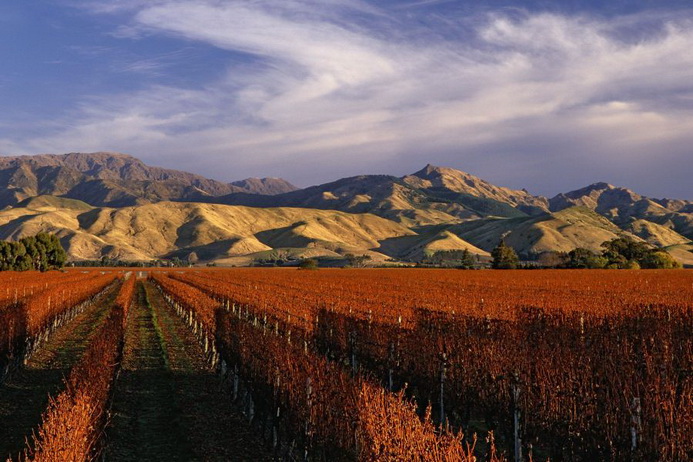
Greywacke vineyard, lower Brancott Valley, Marlborough. Image Source: Kevin Judd

Why it’s so Hard to pick Winners

Different wine crtitics can come up with very different assessments as the examples below underscore, and there are may more.

Deviation Road Chardonnay 2017 – $45 at MyCellarsThis wine found a place in Halliday’s WC top 14 Chardonnays, with a score of 98 points. Ned Goodwin calls it a ‘stunning chardonnay’ that offers nutty warmth and ‘plenty of flavour, with nectarine and peach in the back seat, riding shotgun to nougat, toasted hazelnut and creamy cashew flavours. Very fine. Stunning length and intensity. Kerpow!’

Huon Hooke calls it crisp and lively, a low alcohol style, gives it 90 points and suggests it would make a good base for a sparkling wine. Given these diverse reviews, I’m not inclined to buy a sample. We strike a similar clash of views with the Evans & Tate Redbrook Reserve Chardonnay 2016, which scores 98 points in the WC, and 92 at the Real Review. This is a $69 Chardonnay.

Don’t get me wrong: I love Chardonnay, so does Tracey. We drink more Chardonnay than any other wine style. As I write this, I’m sipping a Leo Buring Clare Valley Dry Riesling 2015, a museum release I bought for $17 a bottle a few weeks ago, and one of the best white wines I’ve tasted in the last 12 months. That’s a simple reminder that there are other great wine styles we make down under, and some of them are much better v alue.

HAPPY HUNTING

KIM

Part 2 of this series is HERE

WINES THAT OFFER COMFORT IN A PANDEMIC

And are easy on the pocket

Toilet paper and pasta are scarce but we can still buy wine online and have it delivered. Finding the best wines and the best deals for our subscribers is all we do at Best Wines Under $20, and we add live links to our recommendations so you can order online from the merchant offering the lowest price. Easy as.

We do this with our BEST BUYS WEEKLY mailer, which is just $20 a year. $30 a year adds access to the archive of Best Buys Weekly mailers, and to our wine reviews. Check the subscription options and read what our subscribers say.

Here’s a short list to show you the quality of wines we track down, at super-sharp prices

White Wine

Cleanskins No 34 Margaret River Chardonnay 2018 – $8.50 at Dan M’s. A slick effort, quite refined for this price level. Hints of stone fruits and cashews, not profound or complex but smooth, easy every-day drinking. 91 points.

Rapaura Springs Marlborough Sauvignon Blanc 2019$8.50 at 1st Choice. It’s from a relatively new winery trying to build market share with aggressive pricing – good for us. Crisp and grassy, with the tropical fruit held well in check. I bought stacks of this as a drinking savvy at this price since we eat a lot of seafood. It leaves many savvies costing twice as much looking really ordinary. Grab some while the price is right. 92+ points.

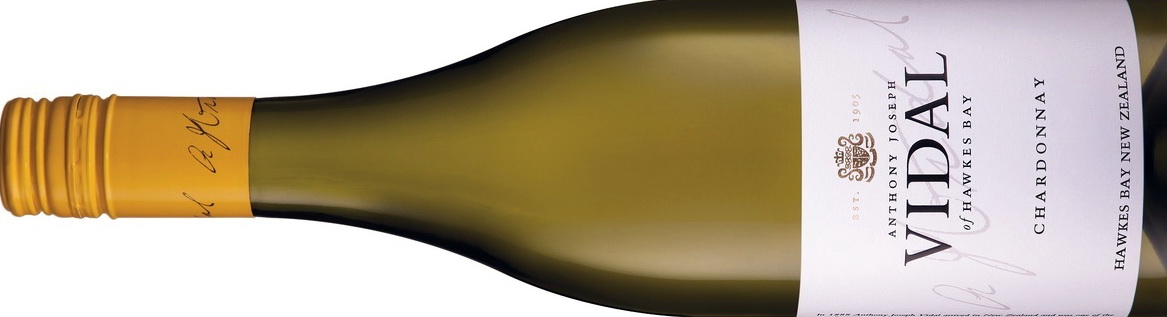
Vidal Marlborough Chardonnay 2018 – $13 at Our Cellar. The fruit does the driving here, with oak taking the back seat. Classic blend of stone fruits and almond meal. Easy as … Lively crowd pleaser at a great price. 92 points.

Dopff Au Moulin Pinot Blanc 2018 – $14 at Dan M’s. A variety that deserves to be more popular. Apple blossom, apples and pears with hints of spice and blanched almonds, all pretty subtle but high on the drinkability scale, and even higher on the value scale. 93 points.

1960 Mountadam Old Vine Ridge Block Chardonnay 2015 – Still on special for $15 at Kemenys, and getting better with age. More savoury than the 2016, it has a full, round palate with notes of almond meal and French oak. Great with veal schnitzel. 95 points.

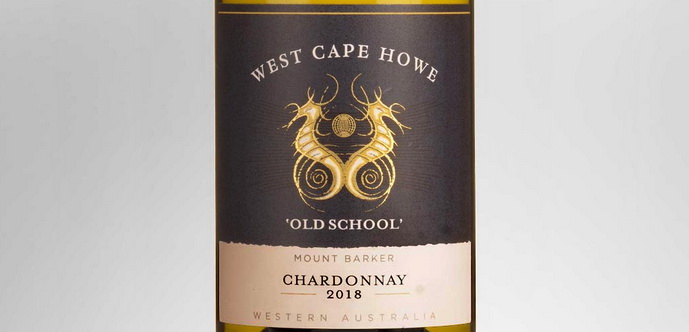
West Cape Howe Old School Chardonnay 2018 – $16 at Summer Hill Wine or $17 at Nicks. Not as old school as I expected – not all that peachy or buttery – but a good chardy for sure. Fermented and matured in French oak, and gone through malolactic fermentation which makes for a rich, round chardy with a creamy texture. Good line and length, and thecrisp finish keeps it all tidy. The price is right too, so we have a winner all round. 94 points.

Leo Buring Clare Valley Riesling 2015 Museum Release – $17 at Vintage Cellars. this is a cracker, a near perfect 5 year-old Clare Riesling, made by Peter Munro somewhere in the bowels of Treasury Wine Estates. 2015 was a really hot year, yet this wine has a fine, long line of acid that supports the classic florals, limes and bath powder.
It shows no hints of kero or toast or honey yet, in fact it’s still crisp and crunchy but richer and fuller than its younger siblings. The precision and linearity of this Riesling are exceptional, and so is the value. Will live for a long time. 95+ points.

Hoddles Creek Estate Yarra Valley Chardonnay 2018 – $20 at MyCellars where the freight is free for subscribers (promo code BWU20). I tried this wine 6 months ago; it made me think of a jazz combo that made all the right noises, yet the music lacked excitement. This time there was more to admire, but it is a subtle wine and you need to listen carefully; then you’ll discover some lovely nuances among the stone fruits and cashews. If it keeps growing in the bottle, it’ll hit perfect pitch in a year or two. 95 points. This was a recent Wine of the Week.

Leconfield Coonawarra Chardonnay 2018 – $20 at Winedirect. Classic chardy showing elegant restraint, along with white peaches and blanched almonds, plus creamy texture from some lees stirring and malolactic fermentation. Polished. 93 points. Please note – Winedirect has put together a special dozen of this chardy and added a great Barossa red

2018 Oakridge Willowlake Vineyard Chardonnay – $29 at My Wine Guy. These Oakridge Single Vineyard wines are serious bargains. The style is clearly modern but there’s more to it than Twiggy and the grapefruit diet. Classic stonefruits and cashews here, and so much more: almonds, spices, intensity of flavour, tension and creamy texture. A tad richer than usual for Oakridge. 96 points.

Reds

Luccarelli Puglia Negroamaro 2018 – $14 at Wine Sellers Direct. Very similar to the Primitivo, medium-bodied with dark berries and spices, dried herbs and dark chocolate Has a little more concentration and should improve for a couple of years. Terrific value. 93 points.

Feudo Arancio Nero d’Avola 2016 – $16 at Our Cellar. I’n not a big fan of this variety, the main red grape of Sicily, but this one has more to it than most. It’s ripe and fleshy with good depth of flavour; it serves up dark cherries with a pinch of dust, it’s medium-bodied and light on its feet. I scored it 92 points. In Gourmet Traveller Wine’s Italian tasting, it scored 93 points and 7th place ahead of wines costing 50 dollars. Serious bargain.

Guigal Cote-du-Rhone 2015 – $19 at Kemenys. 2015 was a bumper year in the south of France, so even modest wines like these tend to have more depth and weight than usual. I reckon this wine will even improve for 2 – 3 more years. 93+ points.

Jim Barry The Lodge Hill Shiraz 2016 – $19 at Boccaccio in Melbourne. From the Clare Valley, from a mature vineyard 480m high. Terrific purple colour and the vibrant fruit that cool climate Shiraz can produce, in a medium-bodied frame (13.6). Sweet red berry fruit, some spice but not much pepper, oak takes a backseat, hard to put down but the superb balance suggests it will improve for years. 95 points.

Penny’s Hill Cracking Black Shiraz 2015 — $20 at Winesquare. Similar in style to the wine of the week, but a tad bigger reflecting the year. More Shiraz notes as well, pepper and spice and all things nice including French oak. McLaren Vale Shiraz in a tux. 94 points.

Vasse Felix Filius Cabernet Sauvignon 2017 – $20 at Nicks. Bargain Cabernet from a first class winery in Margaret River. Classic cassis fruit polished with pencil shavings oak, good line and length, good drinking already but will improve for a few years. Nicks’ review at the link is spot on. 95 points.

Xanadu DJL Shiraz, Margaret River 2015 – $23 at Winesquare. I know I’ve raved about this wine before, and wondered why we can still buy it. That’s our gain, because it is an absolute cracker, and for once I’m on the same page with James Halliday whose review you can read at the link. Shiraz has spent too many years in the shadow of Cabernet in Margaret River. Drinkability is off the charts. 96 points, and the wine is ready to enjoy.

Wynns Coonawarra Black Label Cabernet Sauvignon 2012 (Cellar Release) – $35 at Winestar. Absolute cracker, the best release in the last dozen years, more complex than most, beautiful drinking now and for the next ten years. For special occasions. 97 points.

Rosé

Lovers Not Toreadors Rosé 2019 – $14 at Dan M’s. From Spain obviously, comes in a great package, and the wine is pretty decent as well. Vibrant and flavoursome, charming and slippery. The vintage on the website is out of date. 92 points.

Richard Hamilton Gida Rose 2019 – $15 at Winedirect. Straight up-and-down, no nonsense Rosé, from one of our oldest wineries. Walks the perfect line between perfumed attraction and cool execution. Not a hair out of place. 93 points.

Leconfield ‘La Sevillana’ Coonawarra Merlot Rosé 2019 – $23 at Laithwaite’s.  Best Rose I’ve tasted in a year or more, pure, refined, elegant with great line and length. Made from Merlot – pure genius. Rosé for adults. 95 points.

SPARKLING

Redbank Emily King Valley Brut Cuvee – $11 at Our Cellar. This is no time for celebration but, when the time comes, this is a crisp and lively bubbly from the King Valley will sparkle. It’s one of the many labels in the Hill Smith Family Vineyards portfolio. 91 points.

Deutz Marlborough Cuvee NV – $20 at Winestar. This wine impressed me years ago as a serious option, and it has improved over the years since. The price has gone up with the quality, but it’s still a bargain. Check the reviews at the link. 95 points.

DESERT WINES

De Bortoli Deen Vat 5 Botrytis Semillon 375ml 2016 – $13 at Summer Hill Wine. Then little brother of The Noble One, and the 2016 is brilliant. Luscious with all the trimmings of marmalade and orange peel, apricots and honey. Super value. 95 points.

Morris Rutherglen Classic Liqueur Topaque (Tokay) 500ml – $18 at Nicks. Very comforting on a cold night in front of the fire, with some nuts and dark chocolate: marmalade, toffee, raisins, honey and a whiff cold tea. 94 points. Bargain

Yalumba Antique Muscat (375ml) – $20 at Nicks. More comfort food! Terrific Muscat but very hard to find. Nicks’ review at the link is right on the money. 95 points.

WINERY IN PROFILE: Mountadam Vineyards

Mountadam should be up there on Mount Olympus with Henschke, Grosset and the rest, and I don’t know why it isn’t. Now that Phil Lehmann is chief winemaker, that may change unless the current owners do silly things.

It was the vision of David Wynn that created Mountadam, after he’d created one of Australia’s greatest labels: Wynn’s Coonawarra Estate. He bought the run-down Chateau Comaum winery in 1951 against the wishes of his father Samuel, who’d built a wine business from the humble beginnings of a wine bar in Melbourne.

Quite a family, those Wynns. People thought David was crazy, rebuilding a winery in what was then a remote, cold and barren outpost on the way to Mount Gambier, at a time when Australians drank Sherry and Barossa Pearl. David also did a lot to make flagons of table wine popular, and perfected the wine cask. If only our politicians showed a glimmer of that kind of vision.

In 1970, David decided to go public and list Wynns on the stock exchange. Two years later, Allied Vintners of the UK acquired the business, along with Seaview in McLaren Vale. Following many years of upheaval in the wine business down under, Wynns ended up in the Southcorp stable alongside Penfolds and is now part of Treasury Wine Estates.

David’s next move was to plant a Chardonnay vineyard at the highest point in the Eden Valley, which isn’t a valley at all but a range of hills above the Barossa Valley. Once again, David played the pioneer, selecting a cool climate region that only had a few Riesling growers but no wineries, and planted 24 hectares to a brand new grape variety. The first Chardonnays down under were made by Tyrrells in the Hunter and Craignoor in Mudgee at around that time.

Cool climate viticulture was a new concept in those days: Andrew Pirie planted his first vines in the Tamar Valley at the same time as David Wynn planted Mountadam in the High Eden. Meanwhile, David’s son Adam studied Agricultural Science at the University of Adelaide, then went to the University of Bordeaux to complete a graduate degree in oenology (where he topped his class), and then worked in Burgundy to polish his practical skills.

The winery was named after Adam, against his wishes, according to the Japan Times. He said: ‘ … with a sister named Eva and a location in the Eden Valley, it was all quite biblical.’ On the ground, the Wynns had more fundamental challenges: At the time, there were hardly any Chardonnay vines in Australia, and you couldn’t buy French oak barrels down under so they had to import them directly.


Once again David Wynn showed that he was far ahead of his time: he discovered Chardonnay vines at ‘Marble Hill’ in the Adelaide Hills, at the South Australian Governor’s summer residence. The vines had been brought there from Burgundy in the 1860s. David took some cuttings from Marble Hill and propagated more vines at a nursery in Adelaide. More Here.

Today the Marble Hill clone is unique to Mountadam since the Marble Hill property was destroyed by fire and the original vineyards in Burgundy were wiped out by phylloxera. The story also goes that David Wynn never shared any cuttings of this clone with other winemakers (as is the custom). ‘I suspect David Wynn deliberately kept it as a secret ingredient,’ winemaker Con Moshos told Jeni Port in 2008.

Adam Wynn made the wines from 1982 onwards. He said it took until 1979 before they picked the first grapes, because the weather was harsh and the soil was harsher. The first commercial quantities were picked in 1984. Chardonnay was still a novelty then, and good Chardonnay rare as hen’s teeth. The style was still evolving down under. Mountadam Chardonnay was like a young Burgundy, oak dominating the fruit. Chunky almost. I bought most vintages over the years, and they’d take years to come good, 6 – 10 years just like white Burgundies. They were big and complex and creamy. Great food wines.

David Wynn died in 1995, and Adam sold the winery in 2000 to Cape Mentelle, which had become part of the French Luis Vuitton Moet Hennessy group. I asked Adam why he sold the vineyard. He said, ‘There were more and more doctors planting vineyards everywhere, it was hundreds in the eighties, now it was thousands. There were still only 100 or so real wineries operating, and about 15% of those were profitable.’ He laughed as he added, ‘and LVMH made me an offer that was hard to resist.’

After a fairly ordinary 6-year run, Adelaide businessman David Brown brought Mountadam back into Australian hands. According to Adam, LVMH had worked out that they made more profit from a handbag than a case of Moet, so they sold off some of their wine interests. David Brown owned sizable vineyards in Padthaway, so he was no stranger to the industry. In 2008 he persuaded Petaluma winemaker Con Moshos to move to Mountadam, and Con made some great Chardonnays such as the 2010 which we tasted a few weeks ago along with a Giaconda from the same year.

In late 2015 the Browns acquired the High Eden vineyard established by David Wynn in the early days and later sold along with Wynns Coonawarra. The two vineyards are now dissected by High Eden road, Mountadam on one side, High Eden on the other. Adam Wynn said varieties such as Gewürztraminer would have come from the High Eden Vineyard. High Eden was recognised as a sub-region of Eden Valley in 2001.  It is an area of 40 square kilometers in the highest part of Eden Valley, which reaches 550 meters above sea level.

In 2014, Con Moshos left Mountadam and went back to work with his old boss Brian Croser at Tapanapa, after Croser bought back the old Petaluma winery in the Adelaide Hills. Consulting winemaker Tash Mooney filled in at Mountadam until the Browns found a new winemaker in Helen McCarthy who ‘d made wine at Thorn-Clarke and Taylors before that. Helen is not well-known but highly regarded.

She has a big job in front of her. Other varieties were planted at Mountadam over the years, including Riesling, Shiraz and Cabernet. The Chardonnay and Riesling vines are over 40 years old, the soils are quartz-rich sandy loams formed from the underlying schist bedrock, the property is close to the historic Boehm Springs Reserve that is a nesting ground for Wedge Tail Eagles – the bird on the Mountadam logo.


David and Jenni Brown have quietly built Mountadam into a sizable operation with 80 ha of vineyards. From a single wine, the range has expanded to a dozen. I said earlier that Mountadam should be up there with the best, and perhaps Helen McCarthy will help the winery take up its rightful place. Meanwhile it’s us drinkers who benefit from great wines at bargain prices.

And what is Adam Wynn up to these days? He developed a great love for Japan, he says, in part because his wife is Japanese and in part because his father David fell in love with Japan on his early business trips when promoting his wines. Adam became deputy chairman of the Australia-Japan Foundation some years ago, and also became the Honorary Consul General of Japan in Adelaide. In 2016 he was awarded the Order of the Rising Sun (Gold Rays with Neck Ribbon), the third highest order bestowed by the Japanese government. The award is a royal decree, much like our New Years honours and knighthoods. Adam now spends 6 months a year in Australia and 6 in Japan.

THE WINES

Mountadam Eden Valley Riesling 2016 – $19 at Kemenys. Made from 50-year-old vines. Classic Eden Valley Riesling serving up limes and talc and minerals; the fruit is intense, the acid a fine line and the length exemplary. Finesse and power in perfect balance. 13%. 94 points.

Mountadam Eden Valley Riesling 2017 – $23 at Nicks. The aromatics fairly leap out of the glass, followed by a burst of ripe limes and wildflowers, a dusting of talc powder and a sprinkle of minerals. The finest line of crisp acid completes a Riesling that is among the top handful from this vintage. 95 points. 

Mount Adam Eden Valley Gewürztraminer 2016 – $24 at Kemenys. I bought a box of this on spec but was underwhelmed by the first bottle. Another one opened a couple of weeks ago showed the wine coming out of its shell – there’s a lot of restraint and finesse here, and great length, it just needs a bit more time for the peacock’s tail to show its magic. 94+ points.

Mountadam Eden Valley Pinot Gris 2016 – $19 at Kemenys. This is a new variety for this winery, and I haven’t tasted it yet. Halliday says: ‘The climate endows the wine with drive and intensity, giving it stature, and forcing me to sew my lips together so I won’t dismiss all pinot gris out of hand. And it is pear, apple and citrus-driven, not by residual sugar. Alcohol: 13%. Drink to: 2020. 94 points.

Mountadam Barossa Chardonnay 2015 – $15 at Winestar. Mountadam is still about Chardonnay, first and foremost. They used to buy in Barossa fruit for this label to make an easy-drinking, unoaked Chardonnay. The 2015 is a great example of the style: rich and round and great drinking now. 92 points.

Please Note: For 2016 the label has changed to Fifty Fifty, and is made from fruit grown at Mountadam. A Shiraz and a Cabernet are also made under this new label.

1960 Mountadam Old Vine Ridge Block Chardonnay 2015 – $19.60 at Kemenys. Rich, round and hard to put down, this is a gorgeous mouthful of classic peaches and cashews chardy. A great interpretation of the old style without the buttery excess. 95 points. Bargain


Mountadam High Eden Chardonnay 2016 -$27 at Winesellersdirect. After a soft and simple 2015, the 2016 is back to classic peaches and cream, cashew nuts and spicy notes from the French oak. Barrel fermentation has added texture and complexity. Built for the long haul. (these are first impressions from tasting the wine in a big line-up so I can’t score it yet).

Mountadam Marble Hill Chardonnay 2015 – $65 at No Frills. The top Chardonnay made at Mountadam, from a single block. I haven’t come across it, or any reviews for it.

Mountadam Eden Valley Cabernet Sauvignon 2015 – $20 at MyCellars, where the freight is free for subscribers on any quantity (promo  code BWU20). The reviews are all over the shop for this red, with 89 points from Huon Hooke and 91 from the Winefront. For once, I’m with James Halliday who calls this red ‘another example of Helen McCarthy’s skills as a winemaker, sculpting a cabernet with razor-sharp varietal definition, and also managing to provide textual complexity going beyond the tannins that are part and parcel of the variety.’ This sumptuous red surprised me until I saw that Helen McCarthy used to make those rich, plush reds at Thorn-Clarke. 93+ points (JH 95).

Mountadam Eden Valley Shiraz 2015 – $23 at Nicks. I don’t know this wine, but James Halliday likes it for 95 points and talks about pepper and spice and ‘delicious black cherry fruit … This is very good Eden Valley Shiraz.’

Mountadam the Red 2010 – $35 at KemenysA Bordeaux blend of the best reds from the estate, 52/45/3% Cabernet Sauvignon, Merlot and Cabernet Franc. I haven’t tried this wine; James H. says ‘the palate [is] a lovely display of satin and velvet blackcurrant and redcurrant fruit, holding its line after 2 years in new French oak, perfectly weighted tannins the cream on the cake. 14.5%. Drink by: 2030. 96 points.

Mountadam High Eden Pinot Chardonnay NV – $20 at Winestar. I had no idea that they made a bubbly here, but there it is. Bubbles guru Tyson Stelzer gives it 92 points; check the review at the link.

Kim

Why the Germans Rule Britannia


Yes they have, for the last 3 centuries

Australia Day 2022 reminded me that I’m still waiting for this country to become independent and farewell its British Queen. Having an English monarch as head of state is especially galling for this German migrant since the Windsors are of course German to their bootstraps.

Don’t get me wrong: I admired Elizabeth Regina for her dedication and endurance. Now that she has left us, it’s time for a little history.

By 1450, Central Europe was officially known as the Holy Roman Empire of the German Nation (German version: Heiliges Römisches Reich Deutscher Nation, Latin: Imperium Romanum Sacrum Nationis Germanicæ).

After Queen Anne’s death in 1714, at the age of 54, George I ascended the British throne as the first monarch of the House of Hanover. Over fifty aristocrats bore closer blood relationships to Queen Anne, but the Act of Settlement 1701 prohibited Catholics from inheriting the throne, and George was Anne’s closest living Protestant relative. I’m not making this up.

george1

Understandably, the English didn’t care much for George the German, and it didn’t help that he didn’t speak a word of English. His son George II occupied the throne after his father’s death on 11 June 1727, and his wife was another German: the Margravine Caroline of Brandenburg-Ansbach. George II died in 1760 and was succeeded by his son George III.

More >>