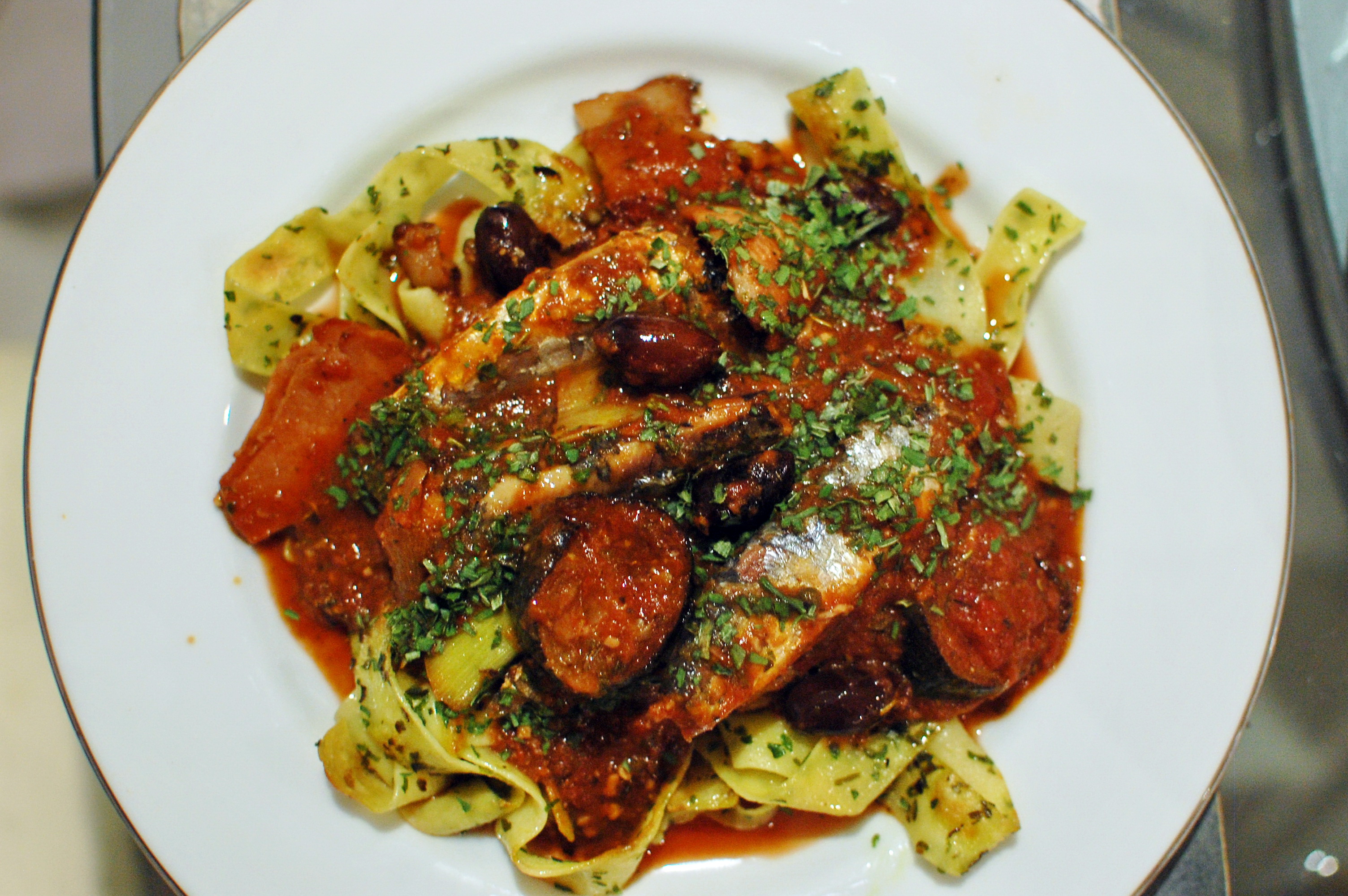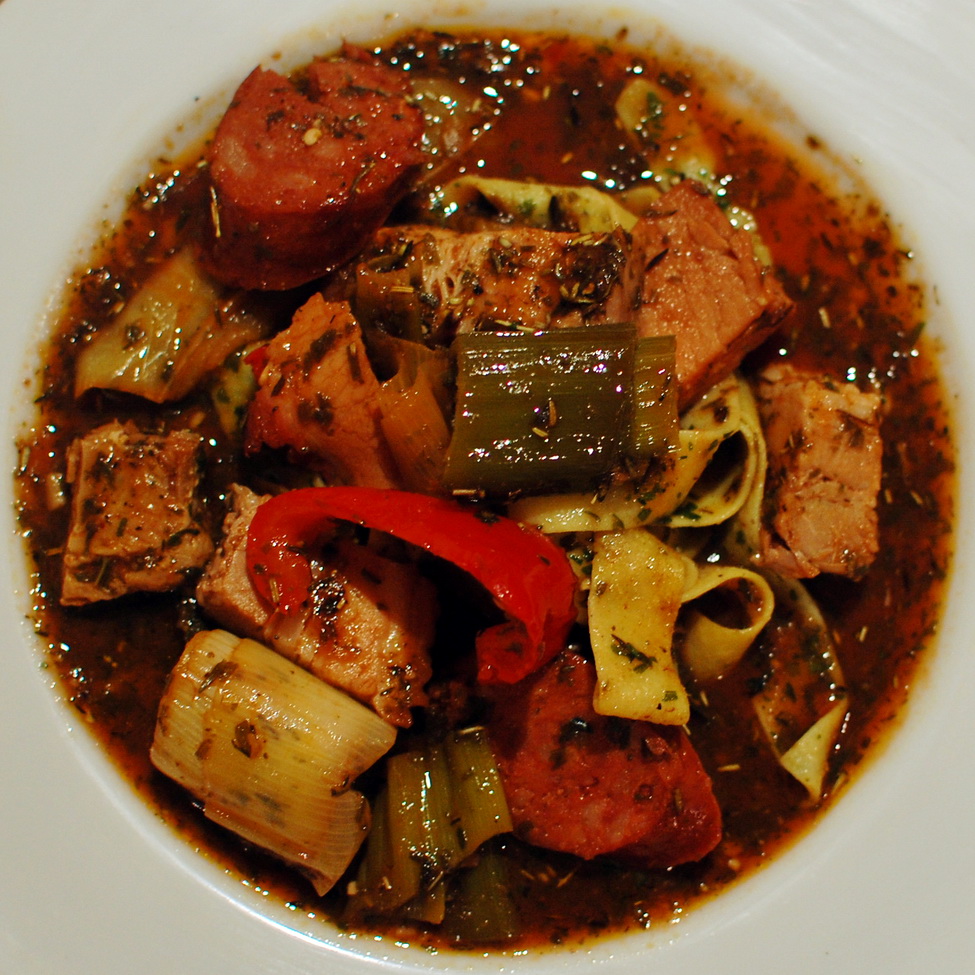
My simple rules for cooking tasty tucker


It’s a lot simpler if you follow a few basic rules

  • Don’t overreach, but push out of your comfort  zone
  • Don’t explore new horizons at a dinner party; use your best tried and true recipes
  • Buy the best / freshest ingredients you can find
  • Don’t pay ridiculous prices for cookware, just buy cookware that works reliably
  • Organize the production line before you start cooking.

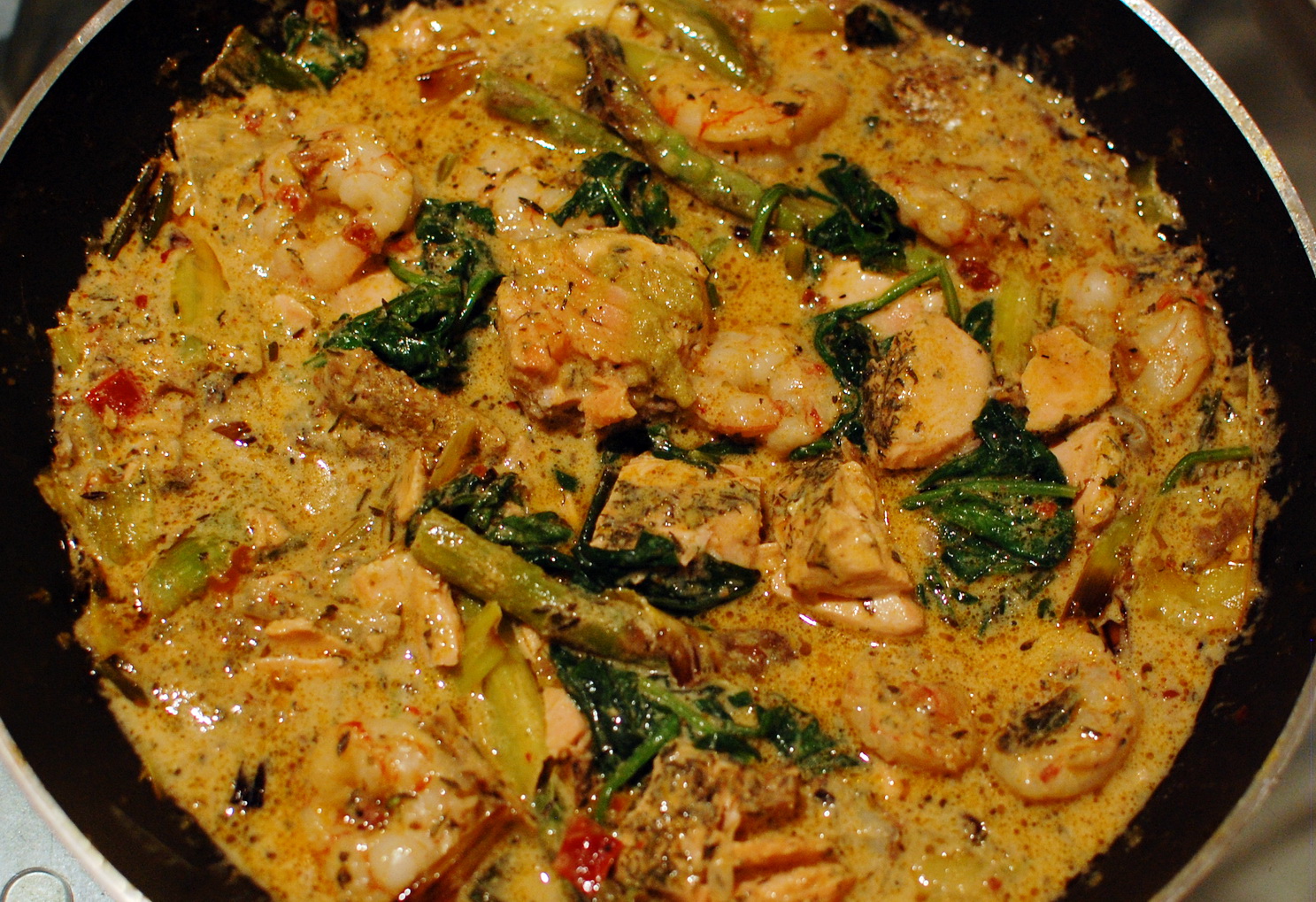
Most dishes have ingredients with different cooking times. An example is my salmon and spinach pappardelle:

I use left-over pasta and salmon from previous meals, then I

  • fry the leeks and the thick ends of the asparagus first, for a few minutes
  • add the thin ends of the asparagus spears
  • fry the spinach in a separate pan for a couple of minutes, then keep it warm in the oven
  • add some white wine to the main dish, then the salmon cut into chunks
  • add seasoning and herbs, combine (Italian herbs, dill and chives)
  • add several tablespoons of pesto – red or green or bothAdd sour cream & combine
  • add more wine if necessary (or stock)
  • taste, add more seasoning and herbs if needed
  • add the pasta and combine
  • serve

All this happens at low-to-medium heat over a period of 10 minutes, so I lay all the ingredients out on the bench, in the order they’re needed.

Another example is roast veggies: the carrots and onions go in the oven first, the fennel and capsicum half an hour later, the pumpkin and sweet potato 15 minutes after that, and so on.

What’s the kitchen trick that gets you out of trouble all the time?

Some good advice from serious chefs and foodies, from the Good Food website. I’ve extracted the most useful bits of advice (for me)

Neil Perry: Everyone should have a salad spinner. There’s nothing nice about limp leaves and water dilutes the dressing and therefore the flavour. One of the first things I learnt with Stephanie Alexander was to wash, pick and dry a salad properly.

Andrew McConnell: I organise myself. I organise my head, my space, my ingredients and then – if I’m cooking at home – I can have a glass of wine and relax into it. If you’re not organised, a half-hour recipe can take an hour and a half.

Danielle Alvarez: It sounds silly but adding water. For example, if I’m browning something in a pan and it gets too hot, I add a little water to bring the temperature back down. If I’m sauteing greens, they often brown too much on the outside without cooking through: a little splash of water in the pan creates enough moisture to get into that veg and cook it the rest of the way. I hate soups that are way too thick, like a puree: a couple of tablespoons of water can make it velvety.

What do you think home cooks often do wrong and how can we improve?

Danielle Alvarez: Not adding enough seasoning! It’s a hard lesson to learn because you only learn it over time, and different salts behave differently. To learn how to season, you have to taste your food through the cooking process, not just at the end. Taste everything, even the liquid you’re cooking beans in: is it a flavourful liquid to cook t

Neil Perry: People sometimes think an impressive meal for friends has to be complicated. It doesn’t. Shop well, cook well, and cook within your abilities: don’t push the limits of your capacity when you’re trying to impress. If you want to do something complex, experiment on your husband, your wife, the kids before you unleash it on others.

Kylie Kwong: Menu planning. There is nothing worse than being an exhausted, stressed-out host, so when I plan a dinner party menu, I choose my dishes carefully to be not only seasonal and delicious, but also practical. For example, I love roasting a whole ocean trout as the main dish. I do this several hours in advance, as it can be served at room temperature. I prepare side salads which can be pre-prepped and simply dressed and assembled upon serving. I might have some fried rice pre-cooked which I heat up in the oven, just before serving and perhaps one other hot dish, which I can cook a la minute.

Katrina Meynink: Trying to follow a recipe so closely they forget to have fun. Cooking is a joy. If you are too rigorous and concerned with following a recipe to the absolute letter you don’t get to bring any of yourself to the food. By using a recipe as a guide you learn more about the ingredients you are using, your kitchen appliances and your own skills as a cook. Every time you do this, you are building skills and confidence and the cooking will become more natural and enjoyable.

Is there a recipe of yours in the Good Food book that demonstrates a kitchen principle we all should know?

Neil Perry: With my pan-fried swordfish, I add a little oil to the butter to stop it burning. I generally use a combination of oil and butter when sauteing. It allows you to caramelise and brown beautifully without the butter going too far.

Katrina Meynink: Salt. It’s the single most important ingredient in the kitchen to balance and enhance flavour. When a dish falls short it can be as simple as adjusting the salt, and not just in terms of flakes or crystals but a grating of cheese, pounding a few anchovies, olives or capers. The only way to learn to love it properly is to use it. And to taste. All the time. Gradually add salt and keep tasting to learn how it rounds out, contrasts or intensifies richness.

Dead Simple Gorgeous Meatballs


I’ve never liked Spaghetti Bolognese. The texture of the mince put me off, and the shape of the pasta. The other day I found some good quality minced lamb and, as it was a freezing cold day, my mind come up with meatballs in a serious sauce.

Image source: recipetineats

Ingredients, meatballs

  • Lamb mince (or beef if you prefer)
  • Shallots or onion finely chopped
  • Dried rosemary
  • seasoning
  • Optional: One slice of multigrain bread and one egg

Ingredients for the Sauce

  • 2 -3 cloves of garlic
  • 3-4 eschalots or spring onions
  • 1 Leek, chopped up
  • 1 Green pepper, chopped into big pieces
  • 1 red pepper, chopped into big pieces
  • Mushrooms, chopped as you wish
  • Can of crushed tomatoes
  • Glass or two of red wine
  • 3-4 anchovies
  • 2 tbspoons Balsamic reduction
  • 1 Tbl spoon of caramelized onion
  • 4 – 5 tbspoons of Sacla sundried tomato tapenade (IGA)
  • Seasoning
  • Bay leaf
  • Half a teaspoon of chili flakes
  • Oregano
  • Basil
  • Cumin
  • Fresh mint, chopped up

Putting it together

Roast the eschalots and peppers in the oven for 20 mins – half an hour to soften them up.  While that’s happening, make the meatballs, about an inch in diameter, fry them in olive oil until they’re browned on the outside.

Set the meatballs aside and fry the eschalots and peppers with the leeks and mushrooms for 5 – 10 mins, then add the meatballs, crushed tomatoes, wine and anchovies (they’ll disappear), then add the seasoning, the Balsamic, the tapenade and the herbs.

Cook slowly for 20 minutes while you keep tasting the sauce and do the fine-tuning of flavours. It should taste rich and multi-layered with an exotic twist. Serve with your favourite pasta or on its own.

Moroccan Chicken Stew


Traditionally these dishes are made as ‘tajines,’ earthenware dishes with dome-shaped tops. They’re popular in North Africa, and are ideal for cooking tough cuts of meat slowly until they’re tender. The cone-shaped lid of the tajine pot traps steam and returns the condensed liquid to the pot. A little steam escapes through a small hole in the top, gradually concentrating the stew which typically cooks for hours on a stove at low heat. The tajine goes straight to the table when the meal is ready.

If you want to use an earthenware tajine on a modern stove, keep the temperature under 150. Or you can use a diffuser, a flat metal / ceramic paddle that sits between the burner and the tagine. Moroccan tajines tend to use veggies and / or fruit (apricots, dates, raisins, olives), nuts and chickpeas. The result is often sweet and sour, which works well with lamb for example.

I don’t have a tajine, and I don’t need more cooking gear in my kitchen, but I have a great big skillet that can go straight from stove to oven to table, so I used that. The ingredients are pretty straightforward:

  • Chicken thighs
  • Speck or thick bacon
  • Eschalots or pickling onions
  • Garlic
  • Green and red peppers or capsicum
  • 1 Leek
  • Mushrooms, Swiss brown or field
  • Crushed tomatoes (half a can or less)
  • Can of chickpeas
  • White wine
  • Chicken stock
  • Lemon zest
  • Sweet paprika – 1 tbsp
  • Ground cumin – 1 tsp
  • Ground turmeric – 1 tsp
  • Oregano – 1tsp

It’s the usual drill: brown the chicken (sprinkled with sweet paprika), add the onions (whole or halved), chopped garlic, crushed toms, some white wine, chicken stock and seasoning, put the frypan in the oven at 170.

After half an hour, add the speck / bacon, chickpeas, lemon zest and the spices, mix it all up and turn the drumsticks over. In a frypan, fry the chopped-up leek adding the mushrooms after 5 minutes with a knob of butter and a dash of wine. Fry for another 5 mins. Transfer the skillet from the oven to the stove top, add the leek and mushrooms, adjust seasoning and spices as you see fit, adjust liquid (reduce if too much or add more stock if too little). The whole process should take about 75 minutes or more if the drumsticks are big and tough. Serve with your favourite rice or couscous.

Notes:

  • You can swap the chicken for lamb shanks, using much the same procedure
  • If you want to use a tajine, find some instructions here and here

Salmon, Bacon, Brussel Sprouts & Asparagus in Cheese Sauce


This is a rich but healthy dish that’s dead easy to make.

Ingredients (as always, use the best quality ingredients):

  • Salmon steaks cut into square inch size pieces (or leave whole if you prefer)
  • Bacon
  • Leek
  • Couple of spring or pickling onions
  • Brussel Sprouts
  • Asparagus
  • Bunch of English Spinach
  • Cheddar and parmesan cheese, grated
  • Sour cream
  • White wine
  • Fennel, rosemary, Italian herbs
  • seasoning

Method

I haven’t given quantities since this is a very flexible dish. You can use fish of your choice, or chicken or pork, or go vegetarian. I used cooked salmon left over from the previous day

  1. Halve the onions, chop up the leek (discard outer shell and rinse the rest well) and cut up the bacon into pieces. Sautee them together in a pan for about 10 minutes.
  2. While that’s happening, steam the Brussel sprouts for about 7-8 minutes.
  3. Cut the asparagus into lengths of your choice
  4. Take the sprouts off the stove
  5. Turn on the oven (170)
  6. Add a cup of white wine to the pan with the onions, leek and bacon, on low heat, then add sour 3 – 4 tablespoons of sour cream and fold it into the mix.
  7. Add the herbs and the seasoning
  8. Transfer the mix from the pan into a casserole dish, add salmon and asparagus.
  9. Mix it up and add a layer of grated cheese to the top, then transfer to the oven
  10. Bake for 12 -15 minutes
  11. While that’s happening, wash the spinach and saute it for a couple of minutes in butter. Serve as a side dish or add it to the main dish for colour

You can either go for a cheesy crust here, as long as you’re careful you don’t burn it, or you can aim for a creamy, cheesy mix as I did. You can serve it on its own or with some pasta.

Dead Easy Kassler in soy-ginger-honey glaze


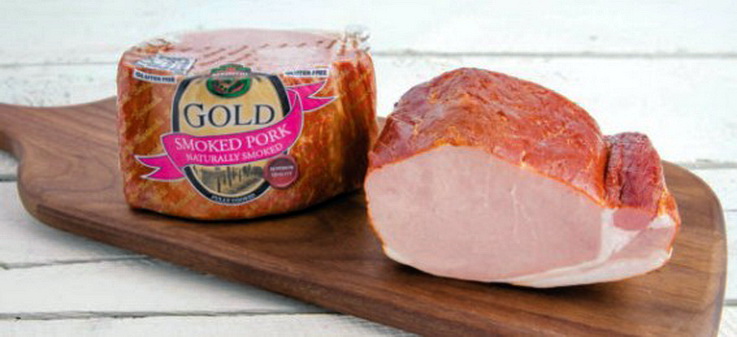
The Germans love their pork, and I’m no different since I’m one of them. This cut of smoked pork takes its name from the city of Kassel in Hessen, and it’s conquered the world – oops, I meant it’s become very popular all over. It comes without the bone in most delis these days, but either version is fine. A close cousin is Speck, which tends to have a higher fat content.

For this recipe, you can use either. It’s important to have some fat content to provide that luxurious mouth feel we’re after, so you should avoid Kassler that’s too lean. Cut it into chops or chunks, about 15mm thick. One thing to keep in mind is that these meats are fairly salty so check before adding more salt during cooking or eating.

Germans would serve this kind of meat with mashed potatoes and Sauerkraut. You can buy the red or white cabbage in tins or jars or make it yourself. This version has an oriental twist so I tend to choose veggies in season (or a salad on a hot summer day); right now asparagus and English spinach are terrific and cheap. I steam a bunch of asparagus for 5 minutes, and fry the spinach in a little butter for about the same time (you can steam it too if you prefer).

Ingredients

  • Kassler, Speck or smoked pork loin
  • Fennel root, chunks
  • Spring onions, whole if small or halved
  • 1 tbsp balsamic reduction
  • 2 tbsp Soy sauce
  • 1 tbsp Honey
  • Small knob of fresh ginger, grated
  • Grated lemon rind (just a touch)
  • Teaspoon of lemon juice
  • Butter and sesame or olive oil
  • Seasoning
  • White wine (half a glass or more as needed)
  • Asparagus

You can fry or bake the pork, but be careful not to dry it out.

Frying: Quickly brown the pork pieces in the pan in a little butter (both sides, a minute or two on each, then removed. Fry some spring onions, fennel and leaks in some butter and add a dash of dry white wine a few minutes later. When the veggies start to soften, add the soy sauce, honey, lemon and pepper. Stir to blend and put the pork pieces on top. Cook on low heat, adding white wine (or chicken stock if you prefer) to keep it all from drying out (but not too much). Turn the pork over and cover in the sauce.

Baking: Bake the spring onions, fennel and leaks in a little oil for 30 minutes at 160 degrees (they take longer than the meat). Add the pork and the remaining ingredients (honey, soy sauce etc.) Add wine or stock if needed. Mix everything well and spoon over pork. Let it bake for about 30 minutes on 160 while you steam the veggies. Add some chopped spring onion tails or shallots 10 mins before serving (for colour). Check the baking dish every five minutes or so and add wine or stock or both, blend and spoon over the pork pieces.

This dish is very forgiving, so you can adjust as you go, and even add things you’re fond of such as sweet peas. One thing is important: Whether frying or baking, we want to end up with more of a glaze than a sauce, so don’t add too much liquid. Serve with Pinot Gris or a generous Riesling.

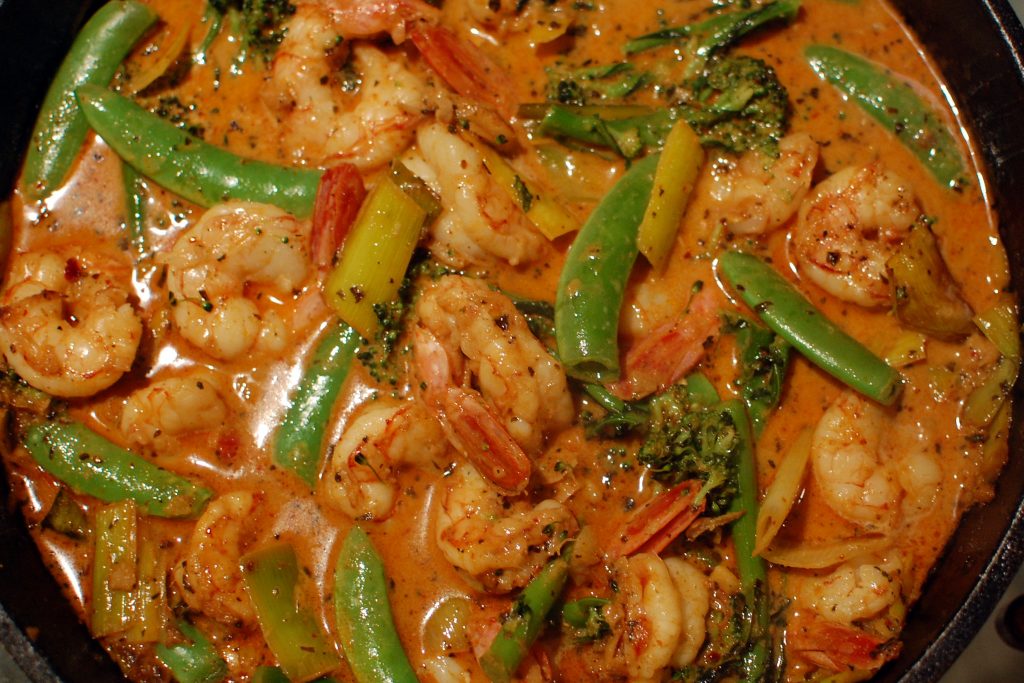
Dead Easy Seafood Laksa


This is not an authentic Laksa, and perhaps it’s better for it.

The way I develop my recipes is by finding one that looks interesting in a cookbook or on the web, and then tweaking it until I’m happy with the result. That usually takes 2 or 3 attempts. Sometimes more.

This one started life as piece of fish in a spicy Asian sauce. It wasn’t spicy enough, the coconut milk dominated the flavour, and it was awkward to eat. The second attempt was better, except for the fish sauce pushing to the front. By the third attempt, everything came together.

Method

First, a confession: Asian dishes are not my forte. Because everything usually happens in a short amount of time (in a wok), you can’t make adjustments at your leisure as you can with a casserole. That means it’s best to have all the ingredients laid out and ready to go before you start. It’s also a good idea to cook in small batches.

Ingredients

  • Seafood – choose prawns, calamari and firm fish like blue-eyed cod or ling
  • A couple of big chilies, one green, one red. Take out the seeds
  • 2-3 Spring onions
  • Strips of red and green capsicum
  • A couple of cloves of garlic, chopped up or minced
  • A table spoon of fresh ginger, grated (to your taste)
  • A small amount of fresh turmeric, grated
  • A tea spoon of ground turmeric (from a herb jar)
  • One stalk of lemongrass, chopped into 2 inch lengths
  • A can of coconut cream
  • Sour cream (for final adjustment)
  • A small coup of vegetable stock
  • A small cup of white wine
  • A table spoon of fish sauce
  • A knob of butter
  • Small Lemon (for some grated rind and some juice)
  • Bagette
  • Noodles
  • Sesame oil for frying

Process

  1. I cook the seafood and the noodles separately and add them to the dish later
  2. Stir-fry the other ingredients, and add the spices, the wine, stock and coconut cream
  3. Add fish sauce carefully, tasting before you add more.
  4. Add chopped spring onion tails (or shallots and/or some parsley – we want the green)
  5. Add seafood and noodles, take off heat and serve as soon as they’re warmed through.

Some Extra Hints

Always adjust the recipe to your preferences; my recipes aren’t designed to be followed slavishly or religiously. They’re not blueprints, they’re just ideas to stimulate your creative juices. I say that because most of us have strong preferences, likes and dislikes. Years ago, I used to loathe garlic, chili, curry and oysters. I still loathe brains and offal.

If you leave the garlic out of one of my recipes, it won’t destroy the dish. Same goes for chili, ginger and other strong spices. Suit your taste: use a little less or a little more. The only thing I’m stubborn about is the ingredients you use. Always get the best and freshest you can get hold of, whether it’s seafood or meat or chicken or vegetables.

I’m not so stubborn about stock, mind you. My friend and I both learned to make stock the Cordon Bleu way many years ago. He still goes to the fish market early on a Saturday morning to buy lots of fish heads and stuff, then races home and boils it all down to a delicious extract. I cheat and use ready-made commercial stock. If I can’t tell the difference, why worry?

In a recent blog post, I gave away my secret ingredients. There are 2 more I should’ve added:

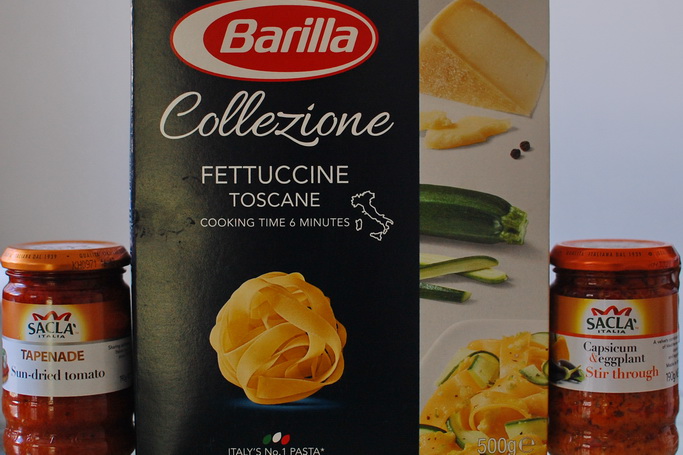
Rice and pasta tend to be afterthoughts. Cooks pay attention to the main actors, but neglect the supporting cast. This brand of rice, cooked for 17 -18 minutes, is the most fluffy Basmati rice I know. The Barilla Fettucine Collezione Toscane is my favourite pasta. I’ve tried all kinds of artisan / home-made pasta, and none comes close to this $3 product – don’t ask me why not. The mouthfeel and taste of this pasta are just right to my taste, after 10 minutes of cooking. I like my pasta between al dente and soggy.

Kim

Dead Easy Spicy Chicken Casserole


I work hard to get rich flavours in my chicken casseroles, and I admit that this is a work in progress. Casseroles are a bit of work but it’s not too finicky as you can taste and adjust various elements while the dish cooks slowly. I tend to fall back on a few ingredients that make the job easier, and this snapshot shows the main ones

DSC_4061

Ingredients

  • Good quality Maryland pieces and wings (3-4 of each / 1.5 kgs)
  • 400 g of Speck or thick bacon
  • Two heaped tablespoons of flour
  • Teaspoon of sweet paprika
  • Olive Oil
  • 5 spring onions
  • 1 leek
  • 2 fennel roots
  • 2 small red capsicums or 4 red peppers, one green capsicum or green pepper
  • 1 zucchini chopped into thick slices
  • 1 can of crushed or chopped tomatoes
  • Big handful of Swiss Brown or field mushrooms
  • Can of green peppercorns (pour off the liquid)
  • 6 tablespoons of Beerenberg Tomato and Cracked Pepper Relish
  • Half a bottle of dry white wine
  • 1- 2 cups of chicken stock (adjust as needed)
  • Seasoning
  • Thyme, Italian Herbs, Oregano, pinch of chili flakes
  • 3 bay leaves
  • A jar of SACLA capsicum & eggplant stir-through
  • Tablespoon of balsamic reduction
  • Teaspoon of grated lemon rind

_1040510

Putting it Together

First 20 minutes:

  • Dust the chicken with flour and paprika, pan-fry five minutes on each side
  • Add the spring onions, keep the tails aside
  • Add the crushed tomato and some wine to the pan, stir; let it simmer for a bit
  • Add a generous amount of seasoning
  • Chop the veggies into biggish chunks, set the mushrooms and zucchinis aside
  • Put everything except the bits you set aside into the oven in a casserole dish, add more wine if needed

Now you can have a break, pour yourself a glass of wine, clean up after phase I …

40 minutes from the start:

  • Panfry the mushrooms in butter, pesto and wine but don’t drown them. Just for a few minutes; they’ll cook some more in the casserole
  • Add the mushrooms to casserole, along with the zucchini slices and spring onion tails
  • Add the speck or bacon cut in chunks

A Note on Technique:

At this stage, I put the (metal) casserole dish across two flames on on the stove on low heat, to keep it all bubbling away while I add herbs, taste the dish and make various adjustments:

  • Add the green peppercorns (our off the liquid), the Beerenberg Tomato and Cracked Pepper Relish, the chicken stock, Seasoning, herbs, chili flakes, bay leaves, balsamic reduction, grated lemon rind …
  • Add the SACLA capsicum & eggplant stir-through, the Tomato and Cracked Pepper Relish and the green peppercorns judging the quantity after taste test.

We want spice and flavour rather than lots of heat. We don’t want a thin sauce or a thick one – aim for somewhere in between.

1 hour from the start:

Put the casserole back in the over, after giving everything a good stir

It should be ready in half an hour. Serve with a big old Riesling or a big, buttery Chardonnay.

Dead simple Hamburgers that work a Treat


In the days when we were brainwashed that fat makes you fat, we began choosing leaner meat. That included minced meat labelled heart-smart, which turns out neither smart for the heart nor smart for hamburgers.

For years I tried all kinds of tricks, from adding breadcrumbs and eggs, to adding tomato paste and secret herbs. I pan-fired the burgers, grilled the burgers and barbequed the burgers. No matter what I did, they came out too dry.

In my desperation, I turned to the web and found that you need some fat in the mince, unless you want your burgers to dry out. Fat is what makes Wagyu beef so delicious, or beef cheeks, or pork belly. Embrace it, and you can start enjoying hamburgers again. The rest is easy.

  1. Get some good quality ground beef or lamb (lamb tends to be fat enough)
  2. Add some finely chopped spring onions or shallots
  3. I like to add a crumbled up slice of bread
  4. Don’t spare the seasoning!!
  5. Add Basil and Oregano or Italian herbs (dried is fine)

Mix it all up gently, minimise handling, make the patties thick enough- about 2cm, pat them into shape but don’t push too hard. Fry or grill or barbeque over fairly high heat in olive or avocado oil (higher smoke point). Cooking time is roughly 5 mins for rare, 7.5 for medium and 10 for well done – just like steak.

We put some Castello cheese on the patties 2 minutes before the end, just long enough to melt. We tend to eat the patties with a Caesar salad and no buns, so please choose your favourite buns lightly grilled, and your favourite toppings.

That’s it

Dead Easy Braised Pork Neck / Pork Belly


I saw the pork neck on special at the local butcher’s, and it got my creative juices going. Make sure there’s enough fat in the neck – there usually is but I ended up with a fairly lean neck. You can also use pork belly with this recipe; simply reduce the cooking time by one third (an hour roughly).

I’ve found it hard to get rich flavours out of pork dishes, so I tried an Asian twist with apple cider and ginger. Like all casseroles, you can taste and adjust various elements as the dish cooks slowly. It should have a rich, exotic impact, but it should not be simply sweet. The dry white should provide the balance.

DSC_3925As usual I got too involved in the process to remember the photo. This one is straight from the fridge, the pork is buried underneath

It’s the usual routine, not as arduous as it looks:

  1. Brown the pork on both sides in a big frypan (use olive oil or similar), after you’ve sprinkled a tablespoon of flour on each side plus seasoning.
  1. Move to a casserole dish, pour in the cider and the wine, add the onions and cook for an hour 30 minutes at 150 degrees. Check halfway through the first stage, and turn the neck over. The top half should be roasting, the bottom half broiling. Adjust liquid if necessary by adding chicken stock.

(Allow 3 hours total cooking time for a big neck, two for a belly. The times I list here are for the neck, simply reduce by one-third if you’re cooking pork belly).

  1. After 1 hour 30 minutes,
  • add all the veggies, chopped into biggish chunks.
  • add stock if needed
  • add tomato paste, ginger, mustard and Sacla Sauce (see below)
  • add balsamic, bay leaves and lemon rind
  1. Taste and adjust seasoning, mustard, stock , stir the liquid and turn over the meat, return to the oven.
  2. Half an hour before the finish, add sage and thyme, check taste and liquid again – the liquid should not be thick, but should not be as thin as soup either. Aim for somewhere in between.
  3. Serve with rice, potatoes or noodles.

INGREDIENTS – this looks like a lot but it isn’t really

  • Pork neck / belly – 1.5 – 2kg / 1- 1.3 kg – give or take
  • Two heaped tablespoons of flour
  • 7 – 10 spring or pickling onions
  • 1 leek
  • 3 fennel roots
  • 2 small red capsicums or 4 red peppers
  • 1 zucchini chopped into slices
  • 375ml of apple cider (alcoholic, dry)
  • Half a bottle of dry white wine
  •  1- 2 cups of chicken stock (adjust as needed)
  • Seasoning
  • 2 teaspoons of sage (fresh or dried leaves)
  • Teaspoon of thyme
  • 3 bay leaves
  • 1 teaspoon of grated ginger root
  • 3 tablespoons of grain mustard (mild)
  • 4 tablespoons of SACLA capsicum & eggplant stir-through
  • Small tin of tomato paste
  • Tablespoon of balsamic reduction / vinegar
  • Grated lemon rind

Serve with a big old Riesling or big Pinot Gris or a rich, buttery Chardonnay. Try a light, sweet fruit Pinot Noir if you’re game.

Duck a l’Orange


OK, you haven’t had this dish for decades – it’s so seventies, no?

The other night, a couple cooked this dish on MKR and I thought about it for the first time in decades. I checked the MKR recipe but the sauce had 1001 ingredients so I jumped on the web to check alternatives.

ducksource: www.Everyrecipe.com.au

Eventually I came up with my own simple version of this dish, but as usual when I’m busy in the kitchen I forget to take a photo. In essence, you squeeze some orange juice into a small pot or pan, heat it up and add some sugar or honey so that the sauce caramelizes as it reduces slowly. So far, so good, but we have nothing more than a sweet sauce at this point so we’ll have to add some substance.

The good thing is that you can do this gradually, while you keep tasting as you slowly reduce the sauce. I gradually added:

  • Some thin strips of orange peel with the pitch removed
  • A dash of red wine
  • A dash of balsamic reduction
  • Two teaspoons of caramelized onion jam
  • Two teaspoons of marmalade (I used Lime, which was all I had)
  • Handful of finely chopped shallots
  • Half a cup of chicken stock

I’ve had mixed success with duck, following recipes that suggest frying or roasting Marylands for half an hour. When you do that, the duck will not be cooked through but dried out. The best way to cook duck Marylands is as a confit, which means cooking them in duck fat very slowly. That’s what I did today but I didn’t have that much time so I browned the duck pieces for a few minutes in a pan, then cooked them submerged in duck fat for an hour and ten minutes in the oven at 360 degrees.

I chucked in a few pickling onions (spring onions have been hard to find) and some sliced potatoes as well. You can use the duck fat a number of times since it’s very stable (just put it back in the container it came in once it’s cooled down a little).

The potatoes got a bit soggy and needed some time in the fry pan once I poured the fat off. I poured the sauce over the duck pieces, added the fried potatoes and some steamed green beans, and chose a 2013 Massale Pinot Noir that I recommended 18 months ago – I got that one right.

Kim