Australia is Blessed with the Unpopularity of Riesling


The reason is simple: people drink it with the wrong foods

March 2015 update

I used to wonder why Aussie Riesling isn’t more popular, until I realised that it was the work of our wine and food writers. Yes, the same people who shake their heads and lament that Riesling isn’t more popular. The answer is dead simple: they match it up with the wrong foods.

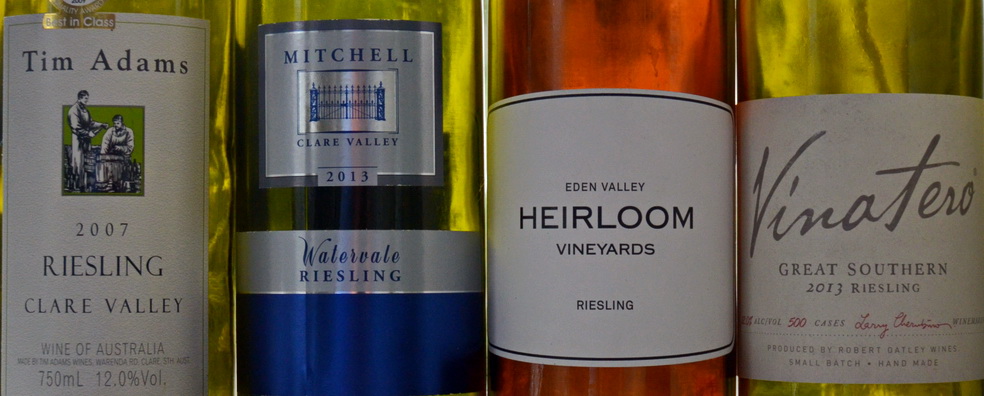
I’m talking dry Aussie Rieslings here, typically 12 – 13%, fine-boned but flavoursome, packed with fruit but dry on the long fine acid finish. In this style, I reckon Australia makes among the best Rieslings in the world. NZ and Alsace are our main competitors, but their Rieslings tend to be dearer than ours. The better Rieslings from Germany and Austria come at a higher price again, but are made in a different style: more delicate, and off-dry.
DSC_9716

More >>

Young & Rashleigh Trade Tasting


Young & Rashleigh distribute interesting wines, mostly to restaurants, and their trade tastings twice a year are a chance to get to know some not so well-known labels. One problem for us is that some of these wines can be very hard to find in retail outlets.

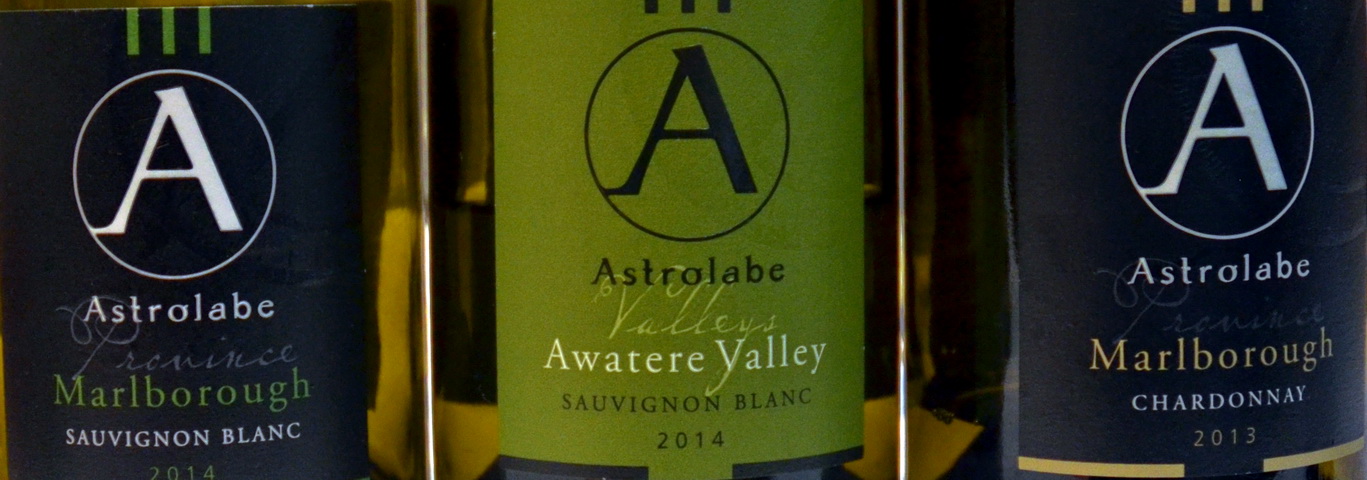
Astrolabe Marlborough Sauvignon Blanc 2014 – $21 at Dan M’s (still stocking 2013). Astrolabe is a serious maker of Kiwi savvies, and the basic Marlborough SB is a great expression, with tangy gooseberries the dominant flavour. The 2014 is very crisp, dry and clean finishing. Top notch savvy.

DSC_1605


More >>

Jason Bowyer, ALDI’s Wine Whisperer

ALDI made headlines recently for scoring gold medals with affordable wines – Six of Aldi’s cheap wines judged among best at Sydney International Wine Competition. The driver behind ALDI’s success is Jason Bowyer who has spent most of his life in the wine trade. At ALDI, he’s been fortunate enough to embark on  what is the company’s first venture into online retail anywhere in the world.

ALDI’s formula is to deliver quality and value at prices that often make the competition wince, and Jason is following that principle with wines that made a few of us shake our heads last night as we tasted some current and future stars. Jason travels the world to find wine makers he can establish long term relationships with, and he’s done a remarkable job in a very short time. Here are a few of the gems:

One Road Eden Valley & Padthaway Chardonnay 2014 – $7 at ALDI. The perfect drinking chardy, rich and round and full of flavour, not too dry so will go down a treat with everybody. 89 points. BUY.

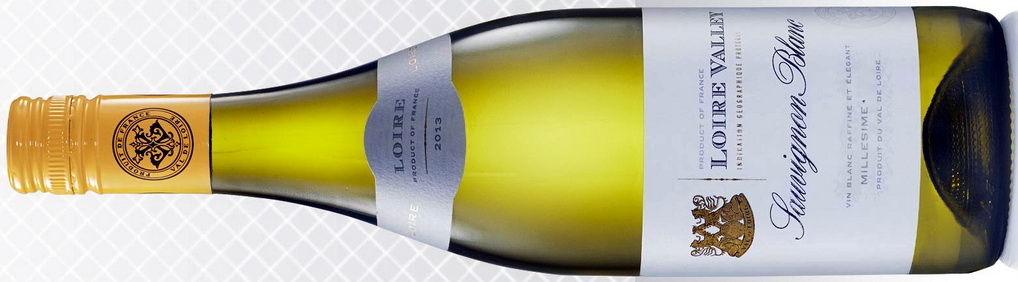
ALDI-Loire

Loire Valley Sauvignon Blanc 2013 $8 at ALDI. This has some genuine gooseberry character on the nose and a bit on the crisp palate, fades a little on the finish but no one’s going to grumble at this price. 88 points. BUY.

The Pond Pinot Grigio Chardonnay 2014 – $7 at ALDI. The website is on the last of the 2013 but Jason says the 2014 is now in stock in store. One quarter Chardonnay to give the Pinot Gris a bit more authority. It worked remarkably well – not much Pinot Gris character here but it’s a good drinking wine. 88 points. BUY.

Peter Mertes Gold Edition Mosel Riesling 2013 – $10 at ALDI. This wine made our Friday Fix a few weeks ago. Last night, it was  a perfect foil to the pork belly. The touch of sweetness was an asset, and flavour was surprising for a German Riesling.  90 Points. BUY.

A.C.Byrne & Co Le Premier Margaret River Chardonnay 2014 – $13 at ALDI. Jason brought along a Vasse Felix Filius Chardonnay 2014. The two wines showed similar finesse and youthful acid, but most of us preferred the ALDI article. It just needs a year to settle down and full out. 91 points. BUY.

Neve South Island Pinot Noir 2013 – $8 at ALDI. The current vintage is 2011 and is $7. The 2013 we tasted won’t arrive until April. It’s clean, it’s drinkable and it’s vaguely recognisable as a Pinot Noir. Quite an achievement at this price point. 87 points.

Cote Du Rhone Village 2012/2013$9 at ALDI. Made from Grenache, Shiraz and Mourvedre and a pleasant enough light red with pizza or pasta. Jason brought along a Guigal Cote-du-Rhone 2011 as a reference point, and it was a much more convincing rendition of the theme. One of the few wines that didn’t convince me.

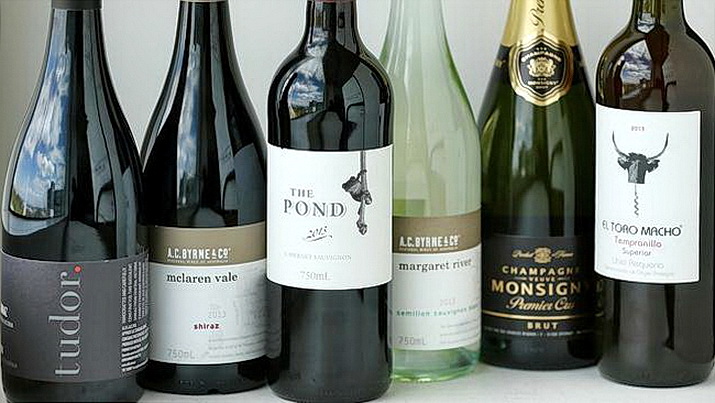
ALDI range

Tudor Central Victorian Shiraz 2013 – $13 at ALDI. I’ve raved about this gem before as well, and it really is a class act coolish climate Shiraz, full-flavoured with finesse, and a real bargain. 92+ points. BUY

Blackstone Margaret River Cabernet Sauvignon 2012 – $20 at ALDI. This is a terrific Cabernet but it’s a great big huge red. Not my kind of Margaret River Cabernet but big red lovers will think this is heaven. 93 points, just to show I can push my personal preferences aside. BUY if you like them big.

Qiwilia Maule Valley Merlot 2013 (Chile) – $7 (arrives in (April). This worth looking out for. Much more refined than our Merlots, an elegant wine with notes of green leaves and tobacco supporting the cool fruit.

Piedra Negra Mendoza Reserve Malbec 2012 (Argentina) – $9 (May arrival). Another winner, one of the best Malbecs I’ve tasted. Interesting and multi-layered, not too much fruit and plenty of herbs too. Can’t wait to try a sample once the wine arrives.

Corte Carista Prosecco DOC – $10. A real crowd pleaser, light and fluffy but rich as well without too much sweetness. Should arrive by June, but some is available in stores.

Kim

What sets us apart from every other wine site in Australia


If none of these 10 points matters to you, this website isn’t for you

 xxxxx

  1. Trust. You want independent advice you can rely on. We take no kickbacks and have no affiliates. We tell it straight.
  2. You know what you want. We don’t sell wine; we just show you where to find the best wines and the best buys.
  3. pannellQuality. You’re tired of mass-produced fare, and looking for more exciting wines. We find interesting wines of surprising quality for as low as $10.
  4. Value. You expect value for your money when you buy wine. We select the wines we recommend for their high quality to price ratio, i.e. for their exceptional value.
  5. Convenience. We publish shortlists of the best wines under $10, $15 and $20, plus the best sparkling wines, big reds etc., and we update them every month so you can enjoy good wine instead of hunting around for deals.
  6. Homework. You don’t buy important things without doing your homework. We help you with that through our weekly mailer of great deals, our no-nonsense reviews and our shortlists of best wines.
  7. Confidence. When you buy wines to share with friends and family, you want to make sure they’re going to go down a treat with them. We love finding wines people love.
  8. Shopping online. You have better things to do than schlepping around cartons of wine. We provide links to retailers and wineries with the best prices who deliver to your front door (and many do so for free if you buy a certain quantity).
  9. Choice. If you live outside the major city centres, your wine choice is probably limited. We show you how to increase your choice, how to buy at city prices in the country, and how to get free delivery too.
  10. Real people. You like dealing with real people you can talk to. I live in Sydney, and you can call me when you need to.

Kim HeadShot 3-resCheck testimonials from our subscribers  

Have a look around our site

You might LIKE our Facebook Page as well

Kim Brebach

The $20 Wine Guy

Dead Simple Paella

They tend to make it complicated but this is the lazy version

I watched the Spanish mother and son team on MKR last night, hoping to learn more secrets about this wonderful dish. Sadly, something went wrong for them.

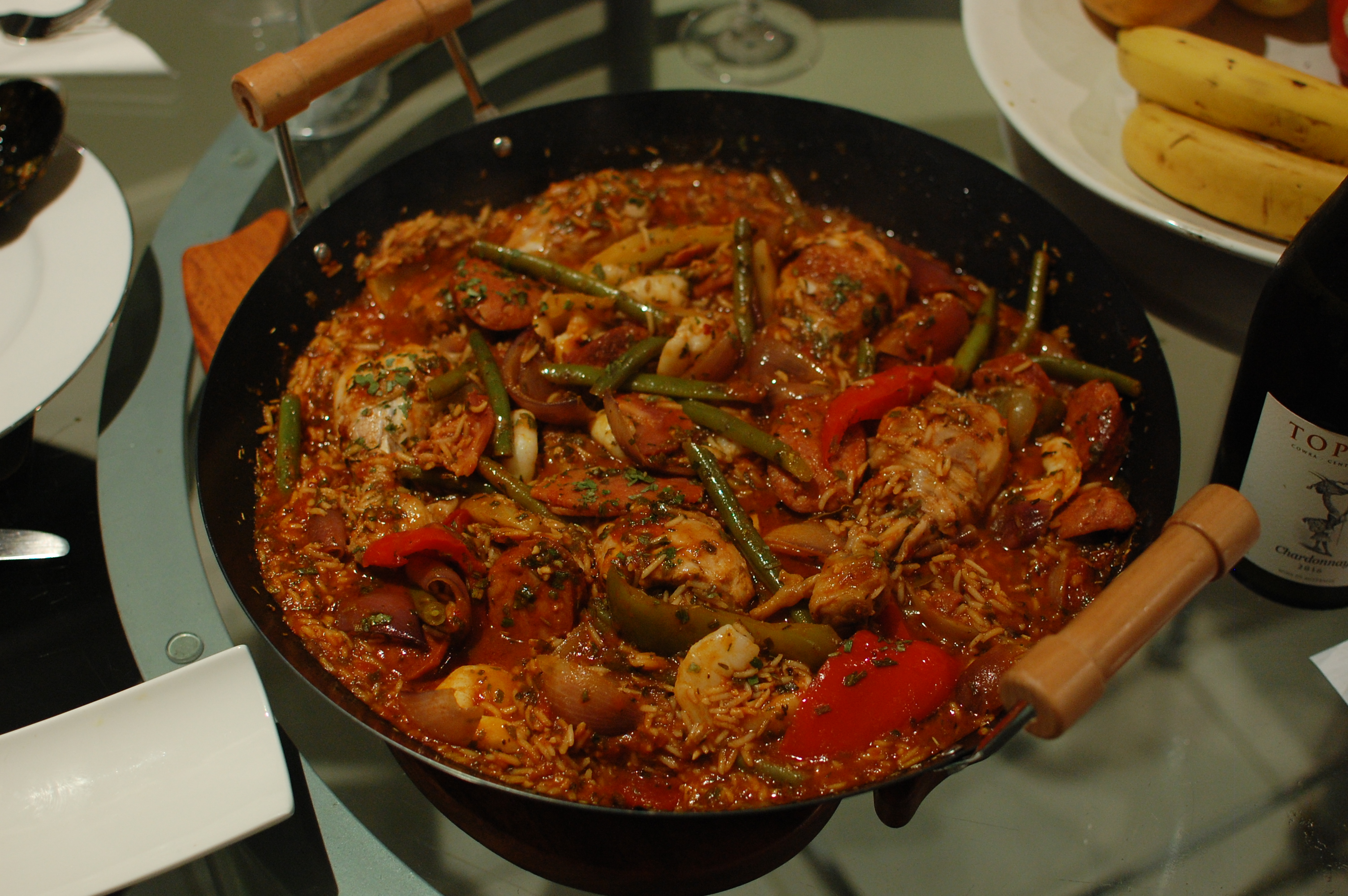
Paella is a Spanish dish that uses more or less whatever ingredients you have handy or left over. There are seafood versions, chicken recipes with chorizo sausage and others with the kitchen sink thrown in. The photo is of the seafood version but I’ve had the most fun with the version that combines seafood, chicken and chorizos.


More >>

What if our politicians were wines?

Australian Politics has been the domaine of halfwits.

It’s time to breathe some wit into it

On our political stage, we see plenty of halfwits who would’ve been better off observing that old advice:  It is better to remain silent at the risk of being thought a fool, than to talk and remove all doubt of it. Most of them don’t read, I suspect, or don’t know how to. Australians are a weird mob, and Australian Politics are even weirder, so lets go through a few of the empties here and check the dregs.

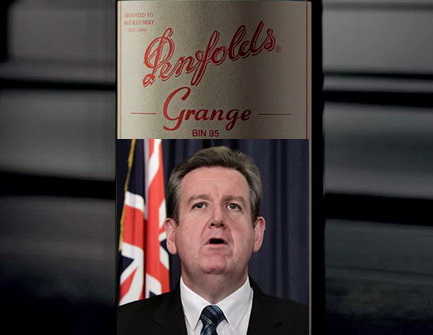
2014-04-23_073154At a recent very public competition, opinions were sharply divided over the Barry O’Farrell Shiraz. Some said it was an utterly forgettable wine, while others called it a decent, solid performer. Some even said the O’Farrell was a take-off on Grange, which the winemaker strenuously denied. He said he’d never even heard of Grange.

Tony Abbott 2014 reminds us of a young Hunter Semillon, lean, mean and edgy with a strong acid grip and a tough backbone, yet the label promises that the wine will improve dramatically if given a chance to breathe. It’s an old-fashioned style that pays no attention to current trends, and will take years before maturity is reached if ever. Lacks charm and finesse. Best drunk with hot dogs at boxing bouts or football matches.

More >>

Super-Premiums, Wine Wankers and the joy of $20 wines

How on earth did we end up with thousand dollar bottles?

Not so long ago, even the best French wines were affordable. In the early eighties, you could buy third-growth Bordeaux like 1978 Chateau Montrose, Ducru-Beaucaillou, Pichon Longueville de Lalande for around $30. Good Burgundies cost a bit more, and great Sauternes & Barsacs a bit more again – about $60/70 for a full bottle of Rieussec. Expensive yes, but not ridiculous.

Chateau-pichon-lalande-pauillacChateau Pichon Longueville Comtesse de Lalande in Pauillac

More >>

Top Ten Wines to Drink on Australia Day – under $20

For this special day in our calendar, I’ve selected wines that are uniquely Australian because of their style or their history or their label. However, value for money was the first consideration as always. I’ve also suggested the kinds of foods these wines go with, assuming that people will partake in the usual Australia Day fare of barbecued beef, lamb, sausages and seafood.

Leo Buring Clare Valley Dry Riesling 2013 – $15 at Kemenys. The dry Aussie style of Riesling is unique in the world, and Leo Buring is one of the oldest makers. Limes and minerals here, plus ripe, concentrated flavour and a long, dry finish – brilliant match for roasted or barbecued chicken.

McWilliams Mount Pleasant Elizabeth Semillon Cellar Release 2007 – $12 at OurCellar. Mount Pleasant in the Hunter Valley is another household name, and ‘Lizzie’ is an institution. This wine is eight years old, and be warned: you’ll smell honey and butter here but also wet straw and tennis shoes. It’s a perfect match for a platter of smelly cheeses. The price is not a misprint.

Tahbilk Marsanne 2009 – $15 at Dan Murphy’s. Another iconic Aussie with a long history. This little winery in the Goulburn Valley used to be called Chateau Tahbilk, and the Rhone variety Marsanne has thrived here for many decades. This example is 6 years old and showing some rich honeyed flavours, goes well with pork. It’s so cheap because no one knows about it.

Rosily Semillon Sauvignon Blanc 2014 – $18 at Kemenys. The vineyard is named after Comte Francois de Rosily, a French navigator who in 1772 made the first chart of Flinders Bay. On the same voyage the captain of his ship claimed possession of the south west of Australia on behalf of France. Had that claim succeeded we would now be speaking French, not English, and our national drink would have been wine, not beer.

Winemaker Mick Scott is a dinky-di Aussie, a keen surfer, swimmer and marathon runner. Margaret River has made this style of wine its own, and it’s so much more interesting than the Sauvignon Blancs from across the Tasman. Real class here,rose of Virginia and the wine will fill out and improve with time in bottle. Terrific with grilled seafood.
Charles Melton Rose Of Virginia 2014 – $20 at Summer Hill Wine Shop Australia’s most attractive Rosé, inside and out. Made from Grenache, Cabernet and a few other varieties, it shows perfect balance between fruit and acidity. Drink with anything or on its own, well chilled.

Kilikanoon Killermans Run Cabernet Sauvignon 2012 – $16 at Kemenys. This wine pays homage to our Irish heritage. The story goes that Killerman was a trapper who lived 100 years ago behind the Skillogalee winery (near Kilikanoon) and made his own wines in a galvanised iron lean-to. The 2012 Cabernet is a much more urbane customer, well-mannered, cool and smooth. Medium-bodied and great with a good steak.

Devil’s Lair Hidden Cave Cabernet Shiraz 2012 – $17 at Kemenys. The combination of Cabernet and Shiraz is uniquely Australian, and this polished performer shows why it’s such a smart blend. That you can buy a quality crowd pleaser like this for so little money suggests that we’re still the lucky country. Goes well with steak, hamburgers and sausages.

Bleasdale Second Innings Malbec 2012 – $15 at Different Drop. There’s going to be a lot of cricket played on Australia Day, and here’s the wine to drink at the BBQ that follows. If you like your reds soft, round and velvety, look no further. It’s juicy and spicy too, and makes you wonder why this variety has fallen out of favour down under. Great with all kinds of lamb.

Bundaleer Sparkling Shiraz NV – $17 at MyCellars. Sparkling Shiraz is another Aussie specialty, and this stylish example is our current favourite. It’s made by a tiny boutique in the Southern Flinders Ranges region of South Australia. Absolute bargain.

Campbells Rutherglen Topaque 375mL – $18 at Dan M’s. Rutherglen is near Glenrowan in Ned Kelly country. We used to call this wine Tokay until the Hungarians objected. Thankfully, only the label has changed and the wine remains a wonderful drink to have with a rich dessert or orange in dark chocolate or a platter of runny cheeses. A great place to finish our top ten.

Riesling is the Victim of Bad Marketing

RIESLING is set to be the white wine of choice this summer’

So says Max Allen in the Australian and adds ‘at least it will be if Australia’s winemakers, retailers, event organisers and sommeliers have their way.’ Then Max admits that the ‘classic white grape still suffers from an image problem for some wine drinkers: ‘consumers weaned on Chardonnay and Sauvignon Blanc often think Riesling is going to taste sweet, so avoid trying it.’

If consumers don’t know what to expect from a given product, the obvious culprit is Marketing or lack of it. The unpopularity of Riesling has resulted in a top quality wine that mostly sells for less than $20. Riesling is racy, crisp and stylish. Riesling has purity and precision in abundance; Riesling is a great food wine yet easy to enjoy on its own; Riesling repays cellaring more reliably than most wines. Riesling is also the best wine value for money, so why is it so hard to get consumers excited about it?

‘It’s simply a Myth’i-love-riesling-100-point-scale-10004828-1419977346

It’s the same overseas: Scores of wine writers have been predicting Riesling’s return to popularity for years, and been proven wrong. In a wine-searcher piece, Wink Lorch cites leading wine writers like Jancis Robinson in the UK and David Schildknecht in the USA who’ve been beating the drum for Riesling and adds: ‘I swear that New Year forecasts from 1995 onwards – that’s 20 years, folks – have insisted that Riesling will have its day of glory again.

Has it? No. Will it? No. It’s simply a myth that wine drinkers will shun something more simplistic like buttery Chardonnay, pungent Sauvignon Blanc or bland Pinot Grigio for the ultimate in white-wine complexity, kerosene flavours included.’

How did Riesling become so unpopular?

Germany is the cradle of Riesling. In the 19th Century, German ‘Hock’ rivalled the top Bordeaux reds in popularity and price. German Rieslings were popular once more in the twentieth century, in the 1960s and ’70s. Experts blame the Austrian wine scandal of the mid-eighties for the fall of Riesling – some Austrian winemakers added antifreeze to their unripe Rieslings to make them smoother. A marketing masterstroke.

In Australia, Riesling’s image was confused from the beginning: until the early seventies, we had 3 very different kinds of Riesling: Hunter River Riesling (Semillon), Clare Riesling (Crouchen) and Rhine Riesling (the real thing). Riesling suffered from an identity crisis and an image problem. Some of our Riesling makers also bastardised the style by adding sweet Traminer or retaining some sugar.

Riesling-10003760

The Marketing of Riesling has been a Disaster

Consumers have no idea what to expect from Aussie Riesling. The Kiwis have shown us how to market a wine style: you can accuse them of bastardising Sauvignon Blanc but their commercial style is consistent, so consumers know what they’re getting. The folks marketing our Rieslings haven’t learnt that lesson.

‘It’s such a versatile grape that produces so many different styles of super-refreshing wine,’ sommelier Jacquie Lewis, the organiser of the Summer of Riesling festival, tells Max Allen. ‘I really feel there’s a need to bang the drum about this diversity with consumers. And there’s no better way to do it than in an informal, relaxed tasting environment where people can interact with the winemaker.’

Jacquie, I agree with what you about Rieslings terrific diversity but, if we want to win over more consumers, we need to clearly define the style long before we talk about diversity. If we start with Riesling’s great diversity, we’ll just confuse them.

Stop marketing to the converted

A 5% growth year on year (from a pretty small base) has given Riesling champions fresh hope, but it simply indicates that the Riesling lovers out there are buying a little more of it because it’s such terrific value. It does not mean that ‘consumers have already switched on to the variety …’ They haven’t.

Clare Valley winemaker Kerri Thompson tells Max Allen: ‘I’m seeing a whole new wave of young professionals taking a really keen interest in my wines … and mostly it’s because they’ve been introduced to the grape at events like Summer of Riesling or Riesling Downunder that present Riesling in a social, popular way.’

6a0120a6399ca9970c017d4248625f970cI suspect those young professionals are serious wine lovers, given the the $800 dollar charge for the 3-day Riesling Downunder Fest. Clearly this event is designed for serious wine buffs and tradies, but even the more modest Summer of Riesling affair is aimed at people who’re knowledgable about wine already. It’s not encouraging consumers to try a new wine style.

Broaden the market

The real challenge is to introduce a broader audience to the pleasures of Riesling, and that means marketing to the not-converted: wine drinkers who’re blissfully unaware of Riesling’s many charms. The question is: how do we wean them off their lolly water Kiwi savvies? Here are a few options:

  • Launch a Riesling Revolution campaign in the media
  • Promote Riesling as a cool, smart wine in the lifestyle magazines
  • Promote Riesling as a great food wine in the food magazines
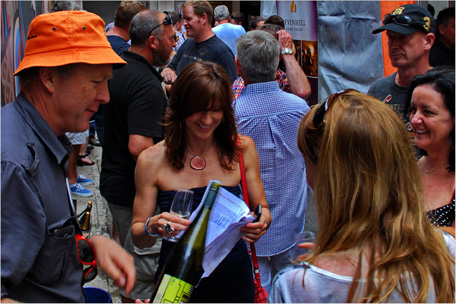
  • Hand out Riesling and chicken wings at street fairs and community events

Riesling and chicken wings? Yes! Last year, I wrote a post headed Australia is Blessed with the Unpopularity of Riesling, which made a simple point: The reason more people don’t drink Riesling is that wine and food writers tell them to drink it with the wrong foods – seafood, cold salads, sashimi, stuffed capsicum, eggplant and more.

No wonder consumers are confused: they don’t know what to expect from a bottle of Riesling, and they drink it with the wrong foods. Roast chicken and Riesling are made for each other, and how many people eat roast chicken? Loads, and often. Many grab it on the way home, already cooked. We have to make them grab a bottle of Riesling to go with it, and that comes back to marketing.

Sell the style

Riesling has a lot going for it, and I’ve never seen the benefits stated in a way that makes punters think: I really want to try that.

  1. Riesling is crisp, racy, zippy, refreshing, not heavy and not oaked
  2. Riesling has terrific flavour – limes and minerals when young, honey and buttered toast when older
  3. Young Riesling makes a great aperitif or anytime drink
  4. Riesling is a great summer picnic wine
  5. Riesling is low in alcohol – 12% on average
  6. Riesling is a smart wine for smart people
  7. Riesling is great value for money

Clearly Riesling has a lot to offer, and well-targeted marketing can to convey that to the broader wine drinking public. It’s a matter of clear messaging and consistency, and taking the product to consumers.

Kim

The Mayonnaise Jar – a Story that will make you Smile

Once in a while, a story comes your way that you just have to share

A professor stood before his philosophy class, with some unusual items in front of him on the desk. When the class began, he picked up a very large and empty mayonnaise jar and proceeded to fill it with golf balls. He then asked the students if the jar was full. They agreed that it was.

The professor then picked up a box of pebbles and poured them into the jar. He shook the jar lightly and the pebbles rolled into the small gaps between the golf balls. He asked the students again if the jar was full, and they agreed that it was.

Now the professor picked up a small box of sand and poured it into the jar. Of course, the sand filled up all the remaining gaps between the golf balls and the pebbles. Once again he asked the students if the jar was full, and the response was a unanimous ‘yes.’

Now the professor produced two glasses of white wine from under the table and poured their contents into the jar, filling the remaining air pockets in the sand.

White_wine

The students laughed.

When the laughter subsided, the professor said: ‘Now imagine that this jar represents your life:

The golf balls are the important things – family, children, friends, favourite passions and your health. These are the things that, if everything else were lost and only they remained, your life would still be full.

The pebbles are the other things that matter like, your job, house, and car.

The sand is everything else — the small stuff.’

The professor continued: ‘The moral of my story is this: it’s important to get these things in your life in the right order. Here’s why:

If you put the sand into the jar first, there won’t be any room left for the pebbles or the golf balls. The same goes for life. If you spend all your time and energy on the small stuff, you’ll never have room for the things that are important to you.

So take care of the golf balls first, the things that really matter. The rest is just sand.

Pay attention to the things that are critical to your happiness:

  • Play With your children
  • Take your partner out to dinner
  • Talk to your friends.

There will always be time to clean the house and fix the garage door.’

One of the students raised her hand and asked what the wine represented.

The professor smiled and said, ‘I’m glad you asked: The wine just goes to show you that no matter how full your life may seem, there’s always room to share a glass or two with a friend.’

Kim