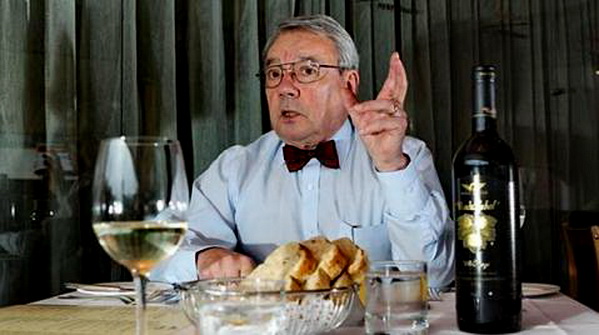


‘Australia is the world’s second most prolific grower of Riesling grapes after Germany,’ Jancis Robinson tells us and adds: The climate is quite warm enough to ripen every Riesling grape to the max and the challenge is to retain acidity, so virtually all Australian Riesling is bone dry. There is no need for any softening sweetness.’
Most German Rieslings don’t get enough sun to reach full ripeness, so they tend to soften the harsh acid with a touch of sweetness. Germany’s most sunny corner is the Pfalz in the south-west corner of the country just across the border from Alsace where all the names are German but the people speak French. Alsace gets enough sunshine to ripen its Rieslings, and most of them are dry.
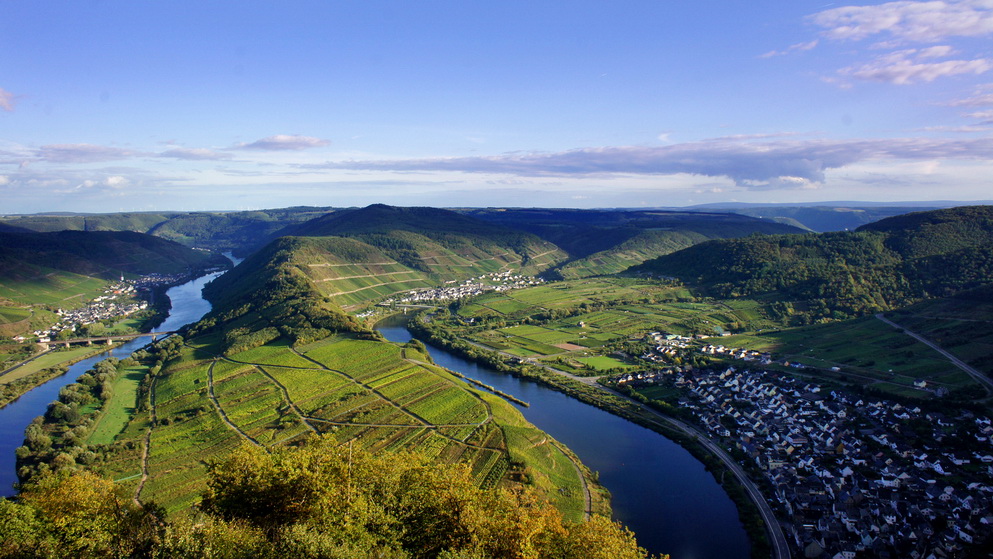 The famous Mosel
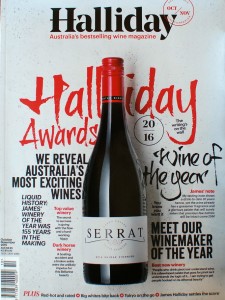 Halliday Wine Companion 2016 (HWC) signalled the change in branding a few weeks ago. The 2015 edition was called James Halliday Australian Wine Companion. The magazine comes with the subtitle ‘Australia’s bestselling wine magazine,’ which surprised me until I recalled that the mag is part of various subscription options and special offers on the HWC website. I can’t imagine a lot of people paying $10 for a LITE wine magazine such as this. It’s a slim 80 pages and carries a lot of ads and sponsored content.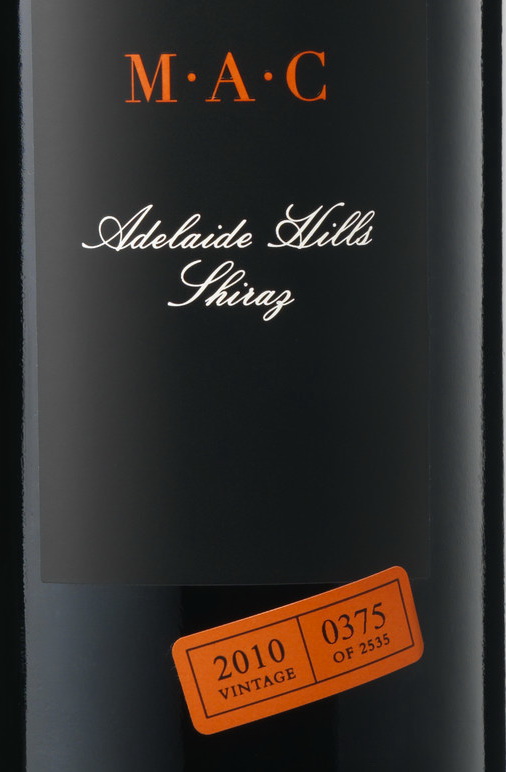
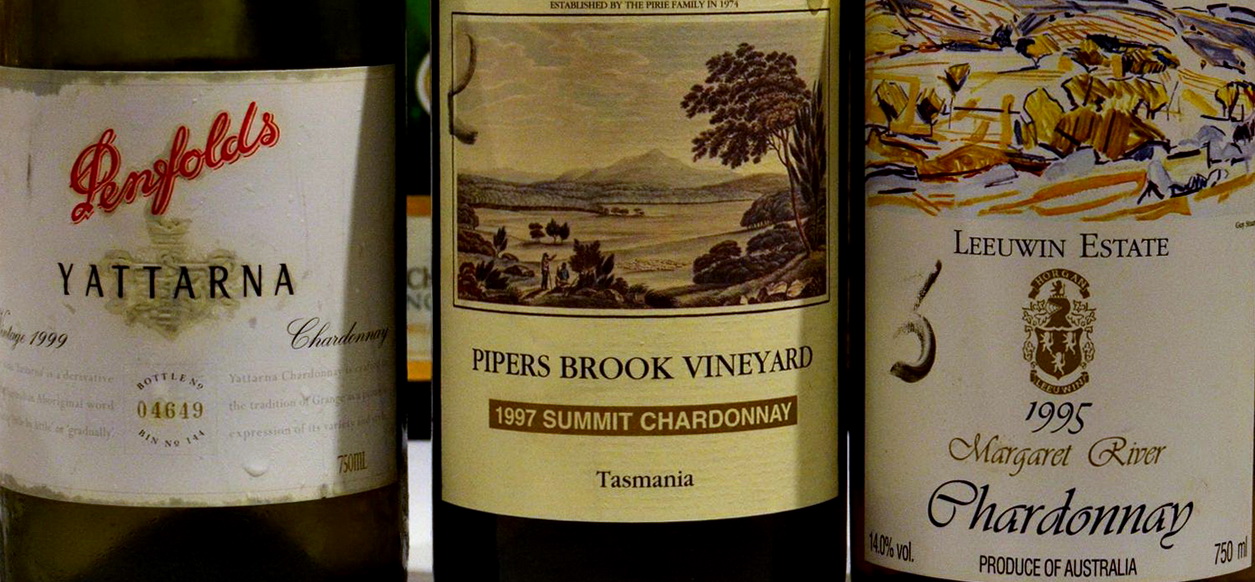
 In Australia, winemakers use a variety of clones, some from California and some from Burgundy. Most have boring numbers such as 95, 277 and i10V1 In Margaret River, the Gin Gin or Mendoza clone has become the choice of winemakers. The story goes that Houghton imported this clone in 1957, but in those days Houghton made no Chardonnay to my knowledge, and I can’t see them importing cuttings from the Argentine back then.