

And how to Avoid them
I came across an article by Matt Kramer at the Wine Spectator: Rookie Mistakes. We’ve all made them. What are they?
Matt says: ‘If there’s anything that wine lovers of experience share—apart from the never-ending search for a good deal—it’s the wincing memory of rookie mistakes. No one is exempt. Anyone who’s bought wine for a few years and caught the collecting bug has, over time, looked back and said, “What was I thinking?”’
I suspect that rings a bell with most of us, but I’d argue that rookies aren’t alone here. I’m the first to admit that I still make mistakes, and I’ve been tasting and buying and cellaring wine for over 40 years. Let’s have a look at the most common bad buying decisions.
- Mistaking Power for Beauty
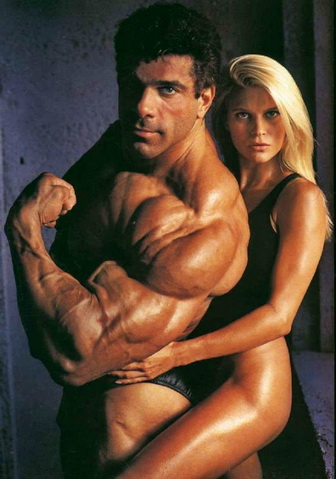 This is not a rookie mistake, as we see it time and time again at wine shows where experienced judges fall for the perfumed, busty blonde or the tall, dark and manly looking guy. It’s easy to succumb to the obvious charms of a wine that leaps out of the glass and kisses you on the lips, and to miss the more subtle characters of a classy fine wine. Think of the big, buttery, oaky chardonnays of old.
Power is strength of flavour and size, meaning high alcohol, and here’s the rub: the current fashion of high alcohol reds – 14.5% has become the norm – has less to do with global warming than their greater glycerol content, which adds perceived sweetness and viscosity, That’s why big reds often come across as plush and velvety, which makes them easier to sell to judges and punters alike.
More in: Aussie Reds – so much alcohol, so little finesse.
More up-front fruit is another cheap trick that works an easy magic on most of us when combined with high alcohol, therefore the ‘Barossa fruit bombs’ we see so many of these days. A Thorn-Clarke Shotfire Quartage comes to mind, a Bordeaux blend that is choc-full of sweet cassis and ripe black currants. A 2009 I opened the other day was somewhere between jam and Ribena.